audhd
AuDHD in the Workplace
In this episode titled AuDHD in the Workplace, October is Disability Employment Month and Philip explains why it matters. Segments 2 through 4 feature Wally Glascoff, a Minnesota Independence College & Community graduate, who discusses discovering his passion for pharmacy, what he does at a hospital including setting up IVs, and how he manages his AuDHD needs at work. A detailed transcript is available at today...
AuDHD in the Workplace Ad Free Interview Version
Wally Glascoff shares how his passion for pharmacy and his AuDHD traits helped him build a meaningful career from retail to inpatient hospital pharmacy, highlighting how neurodivergent strengths like quick action, focus, and movement can be an asset in precise, time-sensitive tasks. He explains a practical triage approach to urgent medication orders, the importance of training and internships, and the value of ...
Self-Care: The Autistic Caregivers
Self-Care: The Autistic Caregivers spotlights Autistic adults who find themselves as caregivers, offering practical strategies for managing triggers, setting boundaries, and seeking help while coordinating medical appointments and communications with health professionals. Cheryl Cowen, an Autistic nurse and caregiver, along with Philip, share personal stories and tips from their experiences. Transcripts in mult...
Self-Care: Navigating Trust Ad Free Interview Subscription Required
In this episode, Dr. Jessica Hicksted helps Autistic and neurodivergent listeners navigate trust with practical strategies for protecting energy, setting boundaries, and building self-trust without cutting off meaningful connection. The conversation highlights red flags such as pressure, flattery, gaslighting, and isolation, and links them to nervous system regulation and the window of tolerance. Viewers are gu...
Self-Care: Practicing the Pause
In Self-Care: Practicing the Pause, Carole Jean Whittington and Philip explore how pausing before reacting can boost self-awareness, reclaim autonomy, and preserve the power of choice for Autistic individuals. Building on the nervous-system fundamentals discussed previously, the episode highlights how the pause supports late-identified autistics and ADHDers as they navigate societal negativity across intersecti...
Self-Care: Practicing the Pause Ad Free Paid Version
This episode explores how practicing the pause can regulate the nervous system, build self-trust, and reduce burnout, especially for Autistic, ADHD, and other neurodistinct people. Hosts Philip and guest Carol Jean Whittington delve into how awareness, compassionate curiosity, and small, self-directed pauses help you notice impulses without rushing to respond, while also addressing late identification, identity...
Self-Care: Managing Your Nervous System Listen for Free
Dr. Megan Anna Neff and Philip explore how the nervous system works, focusing on the autonomic system, fight/flight, and freeze responses, as well as the concepts of hyper- and hypo-arousal and the window of tolerance. The conversation offers practical self-care strategies to help manage daily life and better regulate one’s nervous system. Transcripts are available at todaysautisticmoment.com and in accessible ...
Self-Care: Managing Our Nervous System Ad Free Version
In this Ad Free episode, Dr. Megan Anna Neff explains how summer can push the Autistic nervous system beyond its window of tolerance and why self-care is essential for protecting capacity, clarity, and well-being. She breaks down the autonomic nervous system with practical cues for recognizing hyperarousal, hypo-arousal, shutdown, and the freeze response, and offers concrete, personal tells to monitor stress, f...
Maintaining Safe Autistic Queer Spaces Free to Listen
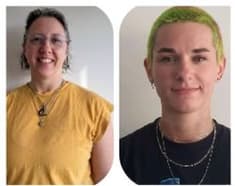
In this episode, Hilary Otey and Coda Brucki talk with Philip about creating and maintaining a safe, welcoming space for neurodivergent queer people at Queermunity, an AuDHD-owned community center. They share the steps they take to ensure everyone can be themselves, whether they’re there to talk, eat, or simply be present. Transcripts are available in multiple accessible formats and languages for easy listening...
Maintaining Safe Autistic Queer Spaces Paid Interview
In this episode, Hilary Otey and Coda Brucki discuss Queermunity, a rare safe space designed to meet real nervous-system needs of autistic and queer community members through low-sensory programming, accessible design, and affirming care. They explore practical safety measures, staff training, accommodations, and community support that allow people to show up as their true selves—even under pressure like citywi...