
Autistics Thriving Through Transitions
In this episode, Speckles Bruder joins Philip to discuss the transitions from living at home to attending Minnesota Independence College & Community and what life looks like after graduation. Speckles, who is AuDHD, explains what these transitions feel like and how they navigate them. Complete transcripts are available in multiple accessible formats and languages via the provided links.

Autistics Thriving Through Transitions Complete Interview Version
In Autistics Thriving Through Transitions Complete Interview Version, Speckles Bruder shares how creative expression, supportive relationships, and pacing that honors individual growth can ease the big shifts after school, from leaving home to starting work and living independently. The conversation covers moving from a small town to MICC, building lasting friendships, finding belonging in diverse communities, ...
AuDHD in the Workplace
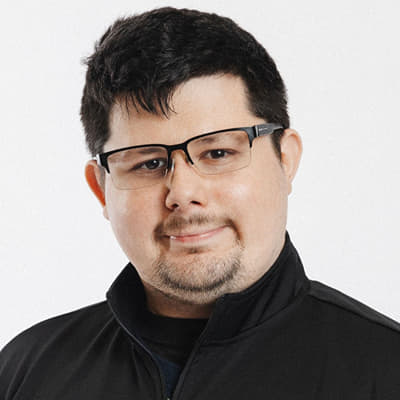
In this episode titled AuDHD in the Workplace, October is Disability Employment Month and Philip explains why it matters. Segments 2 through 4 feature Wally Glascoff, a Minnesota Independence College & Community graduate, who discusses discovering his passion for pharmacy, what he does at a hospital including setting up IVs, and how he manages his AuDHD needs at work. A detailed transcript is available at today...

AuDHD in the Workplace Ad Free Interview Version
Wally Glascoff shares how his passion for pharmacy and his AuDHD traits helped him build a meaningful career from retail to inpatient hospital pharmacy, highlighting how neurodivergent strengths like quick action, focus, and movement can be an asset in precise, time-sensitive tasks. He explains a practical triage approach to urgent medication orders, the importance of training and internships, and the value of ...
Thriving Autistic Entrepreneurship
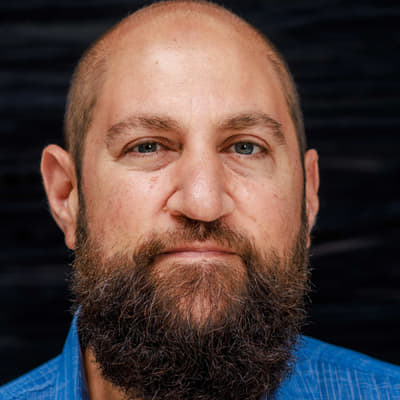
In this episode, Autistic Entrepreneur Jonathan Domsky, founder of Untangled Coaching, joins Philip to share how he built an inclusive business for intersectional Autistic people and beyond. He offers practical ideas for Autistic individuals to create meaningful, sustainable businesses centered on their special interests, strengths, and unique needs. Transcripts are available at todaysautisticmoment.com.

Autistic Entrepreneurship Ad Free Interview
This episode dives into Autistic Entrepreneurship, arguing that neurodiversity is widespread among founders and sharing personal stories of building businesses, including lessons learned from practical operations and team management. It offers actionable steps like starting from your special interests.

The Thriving Autistic Culture
This episode dives into autistic thriving and culture, exploring how bottom-up processing, justice sensitivity, and monotropic focus shape a vibrant autistic community beyond mere survival. The hosts share personal journeys, highlight ten pillars of autistic culture, and discuss the dangers of

The Thriving Autistic Culture
Dr. Angela Kingdon hosts The Autistic Culture Podcast as she and Philip explore how Autistic culture thrives from bottom up processing, heightened justice sensitivity, and the many contributions Autistic individuals have made throughout history and continue to make today. They discuss the positive impact of Autistic voices in society and how collective action and perspectives enrich our communities. For the ful...
Self-Care: The Autistic Caregivers
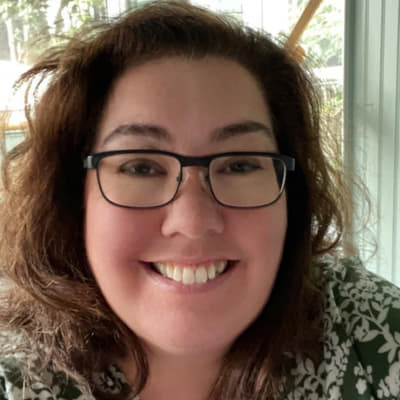
Self-Care: The Autistic Caregivers spotlights Autistic adults who find themselves as caregivers, offering practical strategies for managing triggers, setting boundaries, and seeking help while coordinating medical appointments and communications with health professionals. Cheryl Cowen, an Autistic nurse and caregiver, along with Philip, share personal stories and tips from their experiences. Transcripts in mult...

Self-Care: The Autistic Caregivers Ad Free Plan Version
In Self-Care: The Autistic Caregivers Ad Free Plan Version, hosts Philip and Cheryl Cowan explore practical self-care for Autistic caregivers facing sudden, prolonged, or end-of-life caregiving, with a focus on protecting energy, preventing burnout, and building support before a crisis hits. They share concrete strategies—from routines and boundaries to sensory-friendly setups and clear communication with healt...

Autistics Thriving Through Transitions
In this episode, Speckles Bruder joins Philip to discuss the transitions from living at home to attending Minnesota Independence College & Community and what life looks like after graduation. Speckles, who is AuDHD, explains what these transitions feel like and how they navigate them. Complete transcripts are available in multiple accessible formats and languages via the provided links.

Autistics Thriving Through Transitions Complete Interview Version
In Autistics Thriving Through Transitions Complete Interview Version, Speckles Bruder shares how creative expression, supportive relationships, and pacing that honors individual growth can ease the big shifts after school, from leaving home to starting work and living independently. The conversation covers moving from a small town to MICC, building lasting friendships, finding belonging in diverse communities, ...
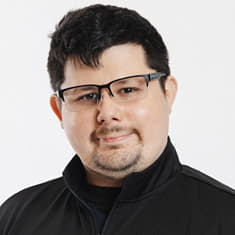
AuDHD in the Workplace
In this episode titled AuDHD in the Workplace, October is Disability Employment Month and Philip explains why it matters. Segments 2 through 4 feature Wally Glascoff, a Minnesota Independence College & Community graduate, who discusses discovering his passion for pharmacy, what he does at a hospital including setting up IVs, and how he manages his AuDHD needs at work. A detailed transcript is available at today...

AuDHD in the Workplace Ad Free Interview Version
Wally Glascoff shares how his passion for pharmacy and his AuDHD traits helped him build a meaningful career from retail to inpatient hospital pharmacy, highlighting how neurodivergent strengths like quick action, focus, and movement can be an asset in precise, time-sensitive tasks. He explains a practical triage approach to urgent medication orders, the importance of training and internships, and the value of ...
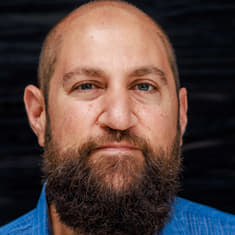
Thriving Autistic Entrepreneurship
In this episode, Autistic Entrepreneur Jonathan Domsky, founder of Untangled Coaching, joins Philip to share how he built an inclusive business for intersectional Autistic people and beyond. He offers practical ideas for Autistic individuals to create meaningful, sustainable businesses centered on their special interests, strengths, and unique needs. Transcripts are available at todaysautisticmoment.com.

Autistic Entrepreneurship Ad Free Interview
This episode dives into Autistic Entrepreneurship, arguing that neurodiversity is widespread among founders and sharing personal stories of building businesses, including lessons learned from practical operations and team management. It offers actionable steps like starting from your special interests.

The Thriving Autistic Culture
This episode dives into autistic thriving and culture, exploring how bottom-up processing, justice sensitivity, and monotropic focus shape a vibrant autistic community beyond mere survival. The hosts share personal journeys, highlight ten pillars of autistic culture, and discuss the dangers of

The Thriving Autistic Culture
Dr. Angela Kingdon hosts The Autistic Culture Podcast as she and Philip explore how Autistic culture thrives from bottom up processing, heightened justice sensitivity, and the many contributions Autistic individuals have made throughout history and continue to make today. They discuss the positive impact of Autistic voices in society and how collective action and perspectives enrich our communities. For the ful...
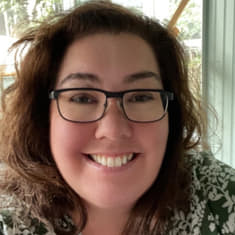
Self-Care: The Autistic Caregivers
Self-Care: The Autistic Caregivers spotlights Autistic adults who find themselves as caregivers, offering practical strategies for managing triggers, setting boundaries, and seeking help while coordinating medical appointments and communications with health professionals. Cheryl Cowen, an Autistic nurse and caregiver, along with Philip, share personal stories and tips from their experiences. Transcripts in mult...

Self-Care: The Autistic Caregivers Ad Free Plan Version
In Self-Care: The Autistic Caregivers Ad Free Plan Version, hosts Philip and Cheryl Cowan explore practical self-care for Autistic caregivers facing sudden, prolonged, or end-of-life caregiving, with a focus on protecting energy, preventing burnout, and building support before a crisis hits. They share concrete strategies—from routines and boundaries to sensory-friendly setups and clear communication with healt...