Go to todaysautisticmoment.com for the transcripts.
Autistics & Queer people are engaged in maintaining the dignity of our identities while defending our right to exist. The negativity in the government, media and special interest groups; Autistic Queer people must find ways to thrive through our identities. Coach Lee Hopkins and Philip will share their stories of how they struggled to be proud of their identities, and what Autistic Queer people can do to find affirming and inclusive communities.
Dyslexia Friendly Accessible Transcript
Spanish Accessible Transcript
German Accessible Transcript
French Accessible Transcript
Chinese Simplified Accessible Transcript
To Read the Transcript On This Website, See Below
Transcript
Proud, Autistic & Queer
June 14th, 2026
Episode Introduction & Preview
Welcome to Today’s Autistic Moment: A Podcast for Autistic Adults by An Autistic Adult. My name is Philip King-Lowe. I am the owner, producer and host and I am an Autistic Adult. Thank you so very much for listening.
Being Autistic & Queer is an identity that reveals the strength of our character. Every June, Autistic & Queer individuals celebrate Pride month, because there are those in our society who do not believe we exist, or we should not exist. In recent years, the social and political attacks on Autistic & Queer people has been rising. Coach Lee Hopkins and I will talk about what it means to be Proud, Autistic & Queer in the times we are living through.
Come join us for the episode Proud, Autistic & Queer on Today’s Autistic Moment.
♫♫ Opening Theme Music ♫♫
Segment 1
This first segment of Today’s Autistic Moment is sponsored by The Autism Society of Minnesota, known as AuSM throughout Minnesota’s Autism Community. As Minnesota’s First Autism Resource for more than 50 years, AuSM serves the whole state, the whole spectrum for the whole life. Visit AuSM at ausm.org.
In addition to the wonderful guests and conversations on Today’s Autistic Moment, you can find many more resources.
Visit todaysautisticmoment.com to listen to over 120 episodes released since 2021.
Check out the Episode Schedule 2026 to see upcoming shows, topics, guest information, and program descriptions for season 6.
On the website, you can:
· Learn more about Today’s Autistic Moment.
· Read the guest bios pages.
· Explore the Adult Autism Resources Links Page.
· Visit the Autistic Community Bulletin Board.
· Read the blog.
· Find out about TAM Autistic Consulting Services.
· Sign up for a subscription to get Ad Free Interviews.
· Support Today’s Autistic Moment with a donation.
Every episode, including this one, has a transcript. The transcripts are sponsored by Minnesota Independence College & Community.
You can read the transcripts right on the website or download printable versions to help you save ink.
The transcripts have hyperlinks in them for names, organizations and other resources named throughout the show that you can access to see if they are helpful to you.
The transcripts use a dyslexia-friendly font that are available in English, Spanish, German, French, and Chinese Simplified.
Want more interaction with Today’s Autistic Moment? Follow Today’s Autistic Moment on Facebook including our Community Group Page, LinkedIn, BlueSky, Instagram and Threads. Also follow us on the YouTube Channel @todaysautisticmoment to listen to new episodes of Today’s Autistic Moment and watch Autistic Voices Roundtable Discussions.
Autistic Pride Day is on June 18th this year. Autistic Pride is symbolized by the rainbow infinity symbol. Started in 2005, Autistic Pride Day was started to recognize Autism as a difference rather than a deficit, encouraging pride in Autistic identity and challenging misconceptions about Autism. Autistic Pride Day uses identity first language. How can you participate in Autistic Pride Day? Read books by authors such as Dr. Devon Price’s Unmasking for Life: The Autistic Person’s Guide to Connecting, Loving, and Living Authentically. Listen to this podcast and others such as Beyond 60 Seconds. Support organizations such as Autistic Advocates United: An Autistic & Allies Grassroots Movement and The Autistic Self-Advocacy Network. However you celebrate Autistic Pride Day and LGBTQIA+ Pride Month, enjoy who you are and do something that is affirming and brings you joy.
On June 20th, for the very first time, Today’s Autistic Moment will go Live at Quiet Riot at Queermunity on our YouTube Channel @todaysautisticmoment. You will get a tour of Queermunity and hear from the staff and participants about the amazing work Queermunity is doing for Neurodivergent Queer people in the Twin Cities Metro. Today’s Autistic Moment and Queermunity have partnered together to inspire others to create establishments where Autistic Queer people can find each other and feel safe.
Coming up after the first commercial break, Coach Lee Hopkins and I will present Proud, Autistic & Queer on Today’s Autistic Moment.
♫ Segment Ending Music ♫
Commercial Break I
Podcast Apps
Today’s Autistic Moment can be downloaded and heard on most podcast apps including Apple. Google Play. Breaker. Castbox. Overcast. iHeartRadio. Pocket Casts. RadioPublic. Spotify. TuneIn. Pandora. Amazon Music. Audible. Podcast Addict. Podcast Chaser. If you are looking for the transcripts, go to todaysautisticmoment.com, click on the episode you want to listen to and follow the directions to find the transcripts.
Thank you for listening to Today’s Autistic Moment.
♫ Lisa Morgan Consulting Ad ♫
♫ Looking Forward Life Coaching Ad ♫
♫Segment Beginning Music♫
Segment 2
Philip King-Lowe (He/Him/His)
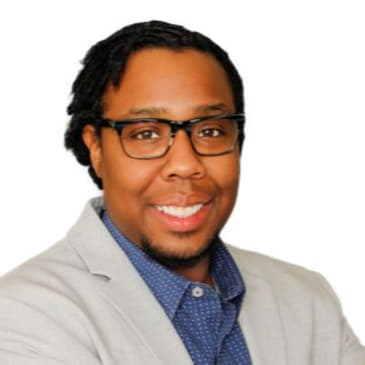
Welcome back. Coach Lee Hopkins is a Social Connections & Business Culture Coach and the CEO of Patterns of Possibility LLC. Coach Lee works with late-identified Autistic and ADHD professionals, entrepreneurs, and analytical thinkers who want to build meaningful relationships, and conscious conversation. Coach Lee’s work has supported hundreds of professionals in developing confidence, clarity, and connection in both personal and professional relationships.
Please join me in welcoming Coach Lee Hopkins to Today’s Autistic Moment.
Philip King-Lowe
Coach Lee Hopkins, welcome back to Today's Autistic Moment. It is such a pleasure to have you here. Welcome.
Coach Lee Hopkins
Thank you. I'm excited to be here, Philip, it's going to be fun. It's going to be an amazing episode.
Philip King-Lowe
Yes, it will be. So here we are in Autistic and LGBTQIA+ Pride Month, and we're talking about Proud, Autistic and Queer. The basis of this conversation has to do with thriving in our identities. We are living through some very challenging times for our communities, and maintaining a pride in our identities carries with it some challenges that are difficult on us emotionally and can really be draining and we really do need some encouragement and conversation about how we can be proud of ourselves in a time like what we're facing. So Coach Lee Hopkins, can you give us some important information about being proud as Autistic and Queer people?
Coach Lee Hopkins
Important information, I like the way that sounds. I think it's, first of all, I think it's really important to have self-worth and you believe in yourself. And I know those words seem, they always frustrated me, seeming kind of hollow. What does it mean to have pride in yourself, or, you know, self-worth, and the importance of that is owning your personality and not thinking that you're doing something bad or wrong based on someone else's standard. And I find that it's a way to feel more comfortable in your skin and really attract the people who really want to connect with you, because in my coaching, I talk about creating more meaningful relationships, and there's been so many times where I just wanted to disregard my identity, whether it was Queer, whether it was Autistic, so that I could "fit in." So the important thing is to recognize that if this fits you, then it fits you, and wear it with pride.
Philip King-Lowe
And as I mentioned before, you started answering we are in a time when all of these communities are being attacked socially, politically, and, you know, and all sorts of things so,,,
Coach Lee Hopkins
So, yeah, you know, with that said, I think that the greatest act of resistance is really to be yourself. If that is your desire to resist, there is you don't even have to resist. You just have to be yourself and feel comfortable with that. And that is going to be enough for you. It's not going to allow you to be silent. It's not going to allow you to just go along, to get along. Because if it doesn't feel good to you, and if it doesn't allow you to express who you really are, then you're naturally going to want to bump up against it. And the more of us, I think, that do this for ourselves, create a space for others who aren't sure and they can feel more comfortable with themselves and join us in just being themselves, not saying that we have to go and do anything drastic, or doesn't like take to the streets or anything like that. That's not what I'm suggesting. The first step is to really be comfortable in who you are and what you believe.
Philip King-Lowe
The thing is, is that we have Autistics who are living with unsupportive people in their homes. We have Autistic Queer people who are rejected by families and friends and losing jobs and trying to find and establish themselves, and for many, it creates this feeling of that there must be something wrong with them. And you know, it is very difficult, especially since ableism. And you know, once again, our communities are being are being discriminated against through all kinds of means these days. You know, even in the courts or in various states, it's just really, really difficult. So when we're talking about being proud of who you are, it's all these things that are happening to you because of they don't have to mean that you see yourself through their eyes, talk about that if you will.
Coach Lee Hopkins
Yes, I like where you're going with this, and I think that's why you know this podcast is so powerful, and the fact that you know all this, and you see all this, and you choose to speak and not just talk to a person locally like not just talk to your partner or your friends, but you have chosen to put your voice out there for other people to hear this. And what they're hearing is that there are other people like you who feel good about themselves, who support you, who understand what you're going through. So that has been life changing for me, because I didn't know what I was going through. You know, I grew up in a Christian family who had these Christian values and being Queer first. So I'm transgender, and I'm a trans man who also identifies as AuDHD, and I grew up with being trans, or that being trans, I'm sorry, identifying as a lesbian first, and that just went against growing up in a small town with nobody does that, who does that, and be not being supported and being told that I'm going to go to hell and thrown in the lake of fire and things like and it's hard. I'm not discounting anyone who's having that experience that it's hard, but it is not your truth. There are other people out there. It doesn't have to be your truth. Doesn't have to be everything the way other people see you, doesn't have to be the way you see yourself. And what I tell people all the time is that some people just don't want to understand you. They just don't want to understand you. They've got too much stuff going on in their life. So these people, even if they're family members, even if they're friends, even if they're coworkers, they just don't want to understand you. And then another level to this is that you are so unique and so different that some people cannot fathom the deaths of who you are. They cannot fathom you wanting to be yourself in a sense that doesn't mask. That you want to share your Autistic joy. That you are interested in dating the same gender, or you're you don't feel like you're in the right body and you like to transition, or that you your pronouns don't fit. They just cannot fathom how that works. And when you find those kinds of people, and then they're everywhere because we, there are a lot of people who just don't like us, but they're everywhere. When you find those kind of people, the best thing you can do for yourself is move away, because there are two people here. You're not alone. There are two people here, Coach Lee, Philip, who are talking about this and believe this and live this. There are people out there who understand you and what you're going through, so you don't have to feel like you're alone, you're not bad, you're not wrong. And even if you feel like you're under attack from those people, and even if it seems really large, there are other people out there who are may have small voices, but they have voices, and they're out there.
Philip King-Lowe
And that's one of the reasons why I started Today's Autistic Moment. Because I am an Autistic Adult, a Queer Autistic Adult who has experienced my own days of discrimination and challenges from religious bodies as you have, and I do find that at some point, I did have to move myself to a new space, a new place where I could search for my life as I am and find it and find out about it, and then learn how to live into that identity with a sense of being proud and empowered. Now, I won't be dishonest. I will say it takes some time and doing and understanding of yourself to maybe get there, but you can get there. And the thing is to keep believing that you are, that you are, who you are and who you are is a wonderful thing. In saying that, it took a lot of lumps and bumps in my road, as I'm sure you can say that too, Lee to the point where you are really feeling empowered. And as I said earlier, sometimes it means breaking away from your current situation and putting yourself in a different one so that you can work towards that. And I know that's a real challenge for many Autistic Queer people, because economics is going to play into it. How do you find a place to live? How do you find people who will be supportive? And this is my story that is not going to be the same as everyone else's. When I first came to the Twin Cities now, 25 years ago, and I was exploring my identity as a gay, queer person, I found empowerment by participating in activities to hold on to and strengthen my rights as an Autistic, as a Queer person, I later discovered that I'm Autistic, and in doing that, I found an empowerment. And then after another period of time, I also found an empowerment to be who I am and to make my own decisions about what I was going to be like in my identities. Again, those take times, lumps, bumps and looking around, but you can do it. The important part is to find yourself a community that will validate you.
Coach Lee Hopkins
Yeah, I agree 100% and your story, your experience, sounds a lot like mine, with my understanding that I'm Queer, or first lesbian, and then going to events and the struggle was that I couldn't really connect with those people either. I had all kinds of religious biases and self-hatred for myself, and so it was hard to connect with those people too. I'm like, judging myself and judging them, but also and denying a part of me that I really want to allow to be, and I didn't know how to do that. And like you said, it takes lumps and bumps and kind of going back and forth. It's like, I don't want to forget how I grew up, or I kind of hold those values, because someone told me I need to hold those. And it just took some time to see if I really wanted to have those values and keep those values and how they served me, and then finding more empowerment in people who were doing things to strengthen their rights, so doing Pride, going to events like that, and just finding that, Oh, um, yeah, this is, this is good to be around people who are like me and believe in me. I can't believe that they do this. Wow. I can also do this, and it felt empowering, and so I could understand more about myself, and then moving on to doing more things with the Neurodivergent community and understanding more about myself that way, because someone had talked about being Autistic and AuDHD, and I'm like, Oh, wow, that that's me. I didn't even know that there were words for that. And sometimes, you know that happens. If you're in a situation or a space where people aren't talking about it, they just label it as bad. You don't get more information. It's just bad and wrong. And when you go out into the world when you scroll TikTok, this is one of the things I did to understand more about me scroll TikTok, and people would say their experiences with connection and community, and they would talk about how they had awkward social experiences. And I'm like, oh, that's me, but you're Autistic, and that's not me. And then I would scroll more, and I would see more people who related to my experiences, and I was like, Oh, maybe I am Autistic. Maybe that is it. And it was very similar story with being transgender. I always felt like I was in the wrong body. I always felt like it was in the wrong body. And this was 2014, so, so many years ago, but I remember having a phone and like one of the little flip phones, like a razor or something like that. It was old school. I don't even know if razor is like a T-Mobile. Anyway, somebody sent me a picture of something on Facebook where I was scrolling on Facebook, and there was a woman who was looking in a mirror, and the reflection was a man. And I was like, oh, that's what I'm feeling. I didn't even have words for it, but that without that's what I was feeling. And it took years to actually come to terms with it, and then to do the financial piece and get support, mentally, emotionally, to actually physically transition all that lumps and bumps time. Give yourself some patience, but the first thing is to really be in spaces where you can be affirmed with your identity.
Philip King-Lowe
Yeah, and I can say something from my own experience, and my experience was a little was quite different than yours, and that I learned that I was gay, and I struggled through my time of accepting that, but I am also a Christian individual, even still. And so for the first six or seven years of being out, there were many things about being gay that just weren't working for me. Long story short, I did take part in an exchange group for 17 months. When that 17 months ended and I decided to come back out, I made myself two promises. Those promises were that never again would I allow any religious institution to decide what kind of religious what kind of sorry; never again would I allow any religious institution to determine what kind of gay person I should be. The second one was, never again will I allow anybody in the LGBTQ community to decide what kind of religious person, I would be. And then when I discovered that I'm Autistic, it took me four or five years to really learn to embrace that identity. And then came The Autism Society of Minnesota, and so many of the Autistic Queer people in that organization and the people I met and continued to meet through them that really helped me to embrace my Autistic Queer identity. So what I want to say in this is that as an individual, Autistic Queer person, you do have the right and the reason to determine what that is going to mean to you. You do not have to fit into stereotypes. You do not have to fit into some clique. Just to fit into that clique, you can find your own means of existence.
Coach Lee Hopkins
Yes, yes, yes, yes to all of that. I really like how you said that you will not allow any group of people to determine who you can be or who you will be. What kind of gay or LGBTQ community can't determine what kind of religious person you're going to be. Religion can't determine what kind of Queer person that you're going to be, and I think that's really important too, especially with intersectionality, because it just comes up so much like, well, you're not Queer enough. Like, I've had that experience too, where I just want to be a regular, regular guy who is just, like, wearing a t shirt and pants, and I met so many Queer people who were like, I was just in the wrong space. That's all I'm saying. Was just in the wrong space where they're wearing makeup and wearing nail polish, and I felt like I didn't belong because I didn't want to do that didn't fit me. It didn't feel good to me, not that I was less than them, not that they were wrong. Were just different. And so this a little another nuance to it. It's really about you being the person that you want to be and showing up how you want to show up, not letting anybody dictate how you can be. That's where you're going to find your peace and your sense of self. I love that so much. Philip, I love it.
Philip King-Lowe
Thank you.
Coach Lee Hopkins
Yeah.
Philip King-Lowe
Following the next commercial break, Coach Lee Hopkins will give his thoughts about why masking is okay, especially when trying to protect our identities in places that are not so accepting. We will talk about how you can find your supportive circles and thrive by being yourself.
♫ Segment Ending Music ♫
Commercial Break II
♫ July 4th Public Service Announcement♫
♫ Queermunity Ad♫
♫ ITI Assistive Technology Ad ♫
TAM Support Ad
Today’s Autistic Moment is a podcast where you will hear guests and conversations that will provide neuro-affirming energy to be proud of who you are, and face your challenges because you heard supportive Information. Today’s Autistic Moment has been expanding our outreach to countries like China, Brazil, New Zealand, Ukraine, Greece, Indonesia, the Philippines, and Bulgaria. The podcast is making a global effort to reach Autistic people and others who want to hear what we have to say.
Today’s Autistic Moment needs your contributions to continue reaching the Autistic Adult intersectional communities.
Support Today’s Autistic Moment in any of the following ways.
· Make a one-time donation through the Ko-fi icon when you tap on Support Today's Autistic Moment on todaysautisticmoment.com
· Subscribe monthly via Patreon.
· Purchase items at Today’s Autistic Moment’s Logo Shop.
· Share Today’s Autistic Moment with your family, friends, coworkers and others through social media and/or by telling others about us.
· If you own a business and/or work with an organization that supports Autistic intersectional individuals by encouraging them to live with pride in who they are, advertising opportunities to support Today’s Autistic Moment are available. Please send an email to todaysautisticmoment@gmail.com for more information.
Donations are not tax-deductible but help keep Today’s Autistic Moment as a safe space.
Thank you for supporting Today’s Autistic Moment.
♫Segment Beginning Music♫
Segment 3
Welcome back. Before the commercial break, Coach Lee Hopkins and I spoke about being proud to be Autistic and Queer. We mentioned the importance of finding places where you can be encouraged to be your authentic self, and go through the lumps and bumps on your way to discovering and becoming secure with who you really are. Now we are going to discuss how Queer and Autistic individuals can thrive by being proud of ourselves.
Philip King-Lowe
Well, we're already diving into my second question. And where do we see Autistics thriving by being proud of their identities?
Coach Lee Hopkins
Yeah. So I this may be controversial, but I do believe masking is okay. I believe it is a skill to do, and it only becomes troublesome when you feel like you cannot take the mask off. When you cannot be yourself in any space, anywhere, and that's where you lose your sense of self. And so when it comes to thriving, I do believe that there are people out there who just can't fathom the depths of who you are, right? And so going out into the world thinking that other people do want to understand you, do want to accept you, do want to appreciate you, and you just give your all to them. It's going to get you in a lot of trouble. It's going to it's from my own personal experience. You'll be drained, trying to explain. You'll be exhausted. You'll be frustrated with those people. And so what I like to do is mask with those people, not that I spend a whole lot of time with them, because masking is exhausting. It's draining. Don't spend a whole lot of time with them. You interact with them and you move on. You interact with them and you move on until you find the people that you can really unmask with. And that's what's going to keep you thriving in society. Because, well, that that's what I've discovered. Because you go out there and people will just drain and exhaust you. You'll be confused and frustrated with why don't they understand? Why don't they care enough to understand? I have been exhausted by that, and so save your energy for those people who do you can rejuvenate and connect with people who really do understand you and appreciate you and accept you, and you'll feel more fulfilled when you have those when you have that time with those people. And that's where you want to spend the majority of your time. And I know it's not something that will happen overnight. It's a practice. It's a practice to hold on to your feelings. It's a practice to not open up too quickly to people. It's a practice to not trust people so easily. It's also a balance, too, because you do have to trust people. When can you let people in? That's a discernment, a learning discernment, when can you let people in? When it feels good to you, you slowly let them in. And it's a skill. It's a skill. Some neurotypical people just figure out how to do it, or they can't explain it to you. They just do it. Or they wind up in miserable relationships with people that they just don't like and they feel obligated to be in. But as a pattern recognizer, and I imagine many of us Neurodivergents Autistic people are really great at recognizing patterns, you can use that to your advantage to thrive in these situations. And so the biggest takeaway from this is, first of all, knowing who you are and what you will tolerate, what you will tolerate. And you have to go around and have to have these experiences. You have to reflect like, Oh, I didn't like the way that guy talked to me. I didn't like the way these people talked about me behind my back. I heard that. I'm not going to give everybody the benefit of the doubt anymore, because it doesn't feel good. It drains me. Honor that, honor that. And then create some space between those people and go find new people. And there are millions of people in the world, the billions of people in the world. If you can't find anyone in person, in person, there are people online that you can talk to. So the secret to thriving, or my secret, is really being able to mask and be more discerning, and then realizing that I don't have to mask all the time. I don't want to mask all the time, but not everybody deserves to see the full me.
Philip King-Lowe
One of the ways we can thrive, of course, is by finding supportive communities. I continue to speak of the Autistics and advocates on LinkedIn. They are incredible. Now a days you can find them through various social media. And also, if you are able to go to some events virtually or in person where you can learn with other Autistic people or collaborate with other Autistic people, Autistic Queer people, you will find that to be very energizing.
Coach Lee Hopkins
Yeah, that's it. I mean, you're gonna start feeling like I said, and my experience is like, Oh, I didn't know that people also thought the way I thought, or spoke, the way I spoke, and you are going to feel that sense of relief. The idea is to find community, and you can only find community if you're actually looking for it. If you are, and what I find is very disempowering. Is saying everybody is against me, and that's just the way things are. This true that there are a lot of people that will not like you, and that's true for everybody. They just cannot understand you. They've got so much stuff going on in their life. It's something like that. You don't have to take it personally in the sense that it's about you never being able to find people that are like you. It's getting out of the mindset of believing that there's no one like you, if you go out, if you don't want to go out, if you look online, if you talk to people, and just because it doesn't work the first, third, even 20th time doesn't mean that there's nobody out there. Until you've met a million people and none of them have liked you, then you could say that no one likes you or no one understands you, but many Autistic people will get you. They will get you. They will get you your love for crystals, like I have love for crystals and gems and stuff. Love for growing plants. Love for monologuing on these your favorite TV shows. They will like those things about you. They will appreciate the way you think. They will appreciate the literal thinking. It's just that there's been so many negative experiences that you've had where people just don't, and if you stay in those spaces where people just don't, and hope that they one day will understand you. It's gonna be very, very disempowering. So community is one of those things that we definitely need. So don't stop searching for it.
Philip King-Lowe
Yeah, and one of the ways that you can find your communities is by sharing your stories about what being Autistic and Queer means for you. I'll give you an example from my own history. The very first time that I attended a Minnesota Autism Conference organized by The Autism Society of Minnesota, I just happened to be sitting in a breakout session where they were talking about supports for Autistic people and what supports they're able to find versus what they're not able to find. And I just happened to speak up about that kind of thing. And afterwards, I found myself sitting at a lunch table with the facilitator who just said, Thank you for saying what you said. I you know, I been wanting to hear someone else say that. And then before I before I knew it, I had other Autistic people said, I've been through the same thing, and slowly and surely it became, wow, there are people who have my experience, and I continue to go through that, sometimes just talking about finding your social supports. You know, if you're in a group of Autistic people online or in person. When you say things like that, most likely there's going to be another Autistic person who's going to say, I've been through that too. And that's where you can start connecting and finding your community. And I mean, when I was at I've been at many Minnesota Autism Conferences over the years where Autistic Queer people have said, we don't like bars, we don't like loud music, we don't like people hitting on us left and right. We don't like, you know, having to wear rainbow colors, are being told what we have to wear or what we have to do or what we shouldn't do. We just want to be our own person. And the those people are out there, and then there are those people who thrive on loud music and colors and smoke and whatever. But you know, the point is, again, you can find the people you want to congregate with, and it just takes just speaking out sometimes and saying, This is what I'm experiencing. This is what's happening to me. And somewhere someone will, and I know it gets difficult because you got people who aren't listening or accepting, as Coach Lee has said, but you you're gonna hear someone say, I've been through that too and that's where the empowerment comes from.
Coach Lee Hopkins
Absolutely. That is, that is 100% it sharing your story. You never know who's going through what you're going through. Now, everybody's thinking, many people are thinking that they're just doing this alone, and nobody knows how I feel, and they also don't express. You don't express, and it's been me for many years, the people just don't know how I feel. They don't know what frustrates me and why this and that and as soon as you start talking about it, then other people will respond, like, there are other people that will respond. I'm like, Yeah, I get that. I didn't know how to express it before, but I get it, or I also have that feeling too, thanks for speaking up, because I never would have. And they start talking to you.
Philip King-Lowe
And I would love for us to spend some time talking about the intersectional identities that makes up our communities. We could spend all day listing them. But you know, the fact is that Autistic Queer people are found throughout multiple intersectional communities. We could, you know, and that sort of thing. I mean, yeah, you represent several different communities yourself.
Coach Lee Hopkins
Yes. So I, I like to say the top three identifiers that I am. I'm a black person, I am an AuDHD person, and I'm also a trans man. And so those things, the intersectionality of those things, really get me into trouble. Into trouble because they're honestly, when I was growing up as a black person, I wasn't really connected with much of the black culture and community and the way that people are now. I mean, there are some customs and traditions that the black community does that I don't know of, and the way I talked in school, I always got in trouble or always got made fun of because I got good grades. And you talk white, and that's what people would say it to me, and I'm like, oh, that will that intelligence comes from pattern recognition and that comes from Autism. Oh, I'm socially awkward, and I don't greet the granny the way I'm supposed to. I didn't know I was supposed to do that. In fact, wow, I got in so much trouble for that, like, so I'll tell you a quick story. When I came to Chicago for the first time that I was had short hair, and I went to this barber shop to get a haircut, and I walked into the barber shop first barber gave me a haircut. I didn't like it. So I thought, Okay, well, a couple of weeks, I'll come back, give them the try. So I come back to the barber shop, and there was a different barber. They gave me a haircut I absolutely loved it.it is the best haircut I've had. So excited about that. So the next two weeks, I came back in, and there are two barbers there, the one that cut my hair the first week, the one that cut my hair the second week, and I wanted to work with the person who cut my hair well, and so I sat in their chair, and the whole barber shop got mad at me. They got mad at me because there's unspoken rule that when you sit in the ones person's chair, the first person's chair, you sit and you go into the barber shop, when you go into that barbershop ever again. If that person is there, they are cutting your hair, a social rule that I did not know as a black person, as an Autistic person, but also as a trans man like that's a rule that probably someone would have learned. If they grew up male, a black male, and gone to barbershops regularly, they probably would have known that have known that. They probably would have known the etiquette and the culture there. And so it just goes to show that there are many identities that intersect that kind of will get you into situations that are confusing. And I think most of the confusion comes from my neurotype, I would say, like the other pieces, being black and being trans, they're there. But wow, it doesn't make sense to me to do something that is not in my best interest, like going to get pay my hard earned money to someone who's going to cut my hair in a way that I don't like, because it's somebody's rule. So the neurotypical way to do that, and if you're trans and neurotypical and you do that, then it's the neurotype, I think, is there. That's what I'm saying. Is essential, if I were to look at the intersectionality, and this is why I like to talk about like my neurotype first is because the social rules in any intersection or any place will get me into a disagreement or get me not liked or misunderstood, or something along those lines. And so I just wanted to share that story.
Philip King-Lowe
I'm glad you did. Things like that are important. When it comes to our intersectional communities, I've said this before, but there is something about the Autistic and Neurodivergent communities, where we do tend to handle diversity quite a bit better than most of the communities, even the Queer communities I found, you know, I have found more acceptance of myself as Queer person in the Autistic communities than I ever found in the Queer communities by itself. Now that doesn't mean that the Autistic and Neurodivergent communities don't have some work to do with accepting differences. But I have found that, at least from my point of view, it doesn't take quite as much work, yeah, as it has in other cultures. But I do know from I've had episodes during Black History Month, and you know that the Neurodiversity community has, in fact, you know, been whitewashed, like many of them, but there are more black Autistic people who are coming out and forming their groups and finding each other too and wanting to be part of the larger community.
Coach Lee Hopkins
Yeah, I'm with you on that 100% to this, this idea that so I did talk about how my neurotype and being Autistic AuDHD has been the most prevalent reason for people to misunderstand me. But also when I go to spaces with Neurodiverse conferences, at spaces, I've seen that there aren't people who look like me and who've had more similar experiences that I could relate to, because there's still something about how I was raised. There's still something about the music that I listen to that is a part of me that I like somebody to understand, along with the way I speak, what I think and how I feel. I like them to understand this cultural piece of me too. So finding those people, I think, is very important, and that's one of the reasons why I've organized my own Summit. So I do this virtual summit online called the Social Connection Summit. It happens in September, and this year, we are talking about intersectionality. We are we are talking about finding the full picture of who you are. You know your identity, Queer, your body, your biology, menopause and going through these changes in your life. We're talking about race and gender and all those things like you are. Maybe your neurotype is something that keeps you disconnected or misunderstood from other people, but there was another piece of you that you also want to share and understand and connect upon, because there's another place out there, the neurotypical way of discussing these things, this doesn't work for you, but if someone with your neurotype shared these experiences with you, it makes a better, more seamless connection and a better reflection of who you are. So I felt that, and it's interesting that you brought it up, because that is something that I'm working towards, and I think that's why we're doing this episode too, is to talk about that, that intersectionality.
Coming up after this final commercial break, Coach Lee and I will talk about some resources where Autistic Queer people can find community, support and affirming conversations so you can be proud of who you are. Today’s Autistic Community Bulletin Board will follow.
♫ Segment Ending Music ♫
Commercial Break III
♫ Actually Autistic Coach Collective Ad ♫
TAM Autistic Consulting Services Ad
If you have just learned that you are Autistic, you are probably getting information from many places. Some of the input is not affirming. You are hearing phrases like “You are too high functioning to have Autism.” “No wonder you sit around and do nothing all day.” You have people suggesting therapies and ways to be “cured.” What if you could talk with someone who is Autistic and proud of who they are? Where can you talk with an Autistic who will validate you and help you find Neuro-affirming resources? I can talk with you and assist you with helpful advice.
TAM Autistic Consultation Services are not therapy or legal advice. My consultation services offers you education supports, with recommendations to people and resources to see if they will work for you.
Go to todaysautisticmoment.com and read about TAM Autistic Consulting Services. If interested, please fill out the intake form and make an appointment so we can begin working together.
♫Best Care Ad♫
♫MICC Ad♫
Future Shows
On June 28th, Hilary Otey and Coda Brucki from Queermunity will be my guests to talk about Maintaining Safe Autistic Queer Spaces. Hilary and Coda will talk about how they have made Queermunity a safe space, and what it takes to maintain it as a Queer Neuro-affirming place along with all of the opportunities to share crafts, stories and people who make it successful.
The fourth Annual Summer of Self-Care Series begins on July 12th with Dr. Megan Anna Neff on the episode Self-Care: Managing Your Nervous System. Managing our nervous system is a first priority for Autistic individuals. Whether Autistics experience pain, feel over tired, or are experiencing sensory distress; our nervous system is triggering our bodies’ response.
On July 26th, Carole Jean-Whittington returns for the episode Self-Care: Practicing the Pause.
Remember to visit the Episode Schedule 2026 Page on todaysautisticmoment.com for more details.
Thank you for listening to Today’s Autistic Moment.
♫Segment Beginning Music♫
Segment 4
Philip King-Lowe
You just, you just named your Summit, but what other resources can we look for so that Autistic and Queer people can be proud of who they are?
Coach Lee Hopkins
Some other resources that people can be proud of who they are. I spent a lot of time on Reddit, so, like, I don't really have a book or something for you to read to learn more about yourself. I think you can look those things up, but I like to talk about places where I can interact with people and share my story, because there's enough of being told you are this way. You are that way. People have done tons of research, and they talk at you on, you know, videos and podcasts and things like that, and you've probably absorbed a lot of that information, but you want to connect with people who understand you. So Reddit is a nice place if you don't feel comfortable talking about yourself, it and like any social media, it can be like full of people who may not be kind, but that's part of the experience. Honestly, it is part of the experience. So Reddit isn't a place to find some forums and just talk about what you have been going through. Talk about what you've been going through. I like to watch, like I said, TikTok was one of those places you calibrate your feed. Search for Autistic AuDHD. There are so many people popping up on my feed that talk specifically about being Black and Autistic. People who talk about being Queer and Autistic, there's a huge community out there of people, but I would start with some social media, and that is being social, so don't just watch, but actually leave a comment, but actually engage. And that's going to help you start building this muscle of speaking your truth and sharing your story,
Philip King-Lowe
I would like to call attention to my audience, to someone who has been on Today's Autistic Moment several times. I do encourage you to look up and find the resources under Dr Devon Price, who is there in Chicago, he has written some incredible books like Unmasking: Discovering the New Faces of Neurodiversity. And the thing is, is that Dr Devon Price loves to bring out the diversity within the Neurodivergent communities. And his books are rather incredible to read, and you know, he continues to do a lot of work as a social psychologist. And so I want to point you to people like him, and obviously Eric Garcia, whom you've heard from on Today's Autistic Moment, as among many, and there are many different Autistic people like Charlotte Bachelor was on A few months ago, and the information she has to share like Autism in Black organizations and things like that. So there are a lot of organizations and projects you can find. They're on the Adult Autism Resources Links Page on todaysautisticmoment.com and you know this podcast will continue to bring forward the intersectional voices that make up who we are, and we will continue to introduce you to them and help you find resources and have this sense of pride is to who you are. Coach Lee Hopkins, thank you so much for being with me on Today's Autistic Moment. I always enjoy our conversations. We are very thorough and well researched, and it is always such a pleasure to talk with you. So thank you so much.
Coach Lee Hopkins
Thank you for having me, Philip. It was a pleasure to have this conversation again. Really enjoyed it. Thank you.
Philip King-Lowe
Thank you.
Transcribed by https://otter.ai
Sign up for a subscription to Ad Free Interviews on todaysautisticmoment.com. The subscription is only $12.00 a month or $144.00 for a whole year. Once you buy the subscription, you can click on any show where you see the logo for Today’s Autistic Moment Ad Free Interviews to hear only the interview without interruption, segmentation and music. You can listen to all Ad Free Interviews going back to July 2025 and all upcoming shows.
Today’s Autistic Community Bulletin Board
All these events and many others such as sensory friendly concerts, art activities and museum information links are available on
todaysautisticmoment.com/bulletinboard.
The Adult Coffee Club for Autistic Adults in Minnesota are held on the second Tuesday of every month (weather permitting) at Dogwood Coffee located at 2700 University Ave W. Suite 100 in St. Paul, Minnesota. The Zip Code for your GPS is 55114. The Adult Coffee Clubs will begin at 3:00pm to 5:00pm on July 14th. August 11th. September 8th. October 13th. November 10th. December 8th.
Understanding Autism virtual classes are offered by The Autism Society of Minnesota. The next classes will be July 13th, 10-11am. August 10th, 12-1pm. September 14th, 6-7pm. October 12th, 10-11am. November 9th, 12-1pm. December 14th, 6-7pm.
On July 9th, beginning at 9am to 12pm, Jillian Nelson will present a workshop at The Autism Society of Minnesota entitled Maximizing Your Disability Services in Minnesota: Person Centered Planning and Creative Solutions.
Want to provide better support for Autistic people-and feel confident doing it? AuSM’s Autism Direct Support Certification program is a deep-dive training series designed for direct care professionals, but open to anyone who truly wants to understand Autism and put that understanding into action. This is not a one-size-fits-all training. You’ll explore real world challenges and gain tools that you can apply right away-grounded in evidence-based practices and a Neurodiversity-affirming mindset. Register for upcoming sessions on July 17th, 24th, and 31st: 9:30am to 12:30pm.
On August 6th, beginning at 9am to 12pm, Jillian Nelson and Zephyr James will present a workshop at The Autism Society of Minnesota entitled: Finding Yourself Beneath the Mask: Tools, Experiments, and Everyday Masking Strategies for Unmasking.
Go to ausm.org to learn more about these and other social and recreational programs, educational events, counseling services and support groups at The Autism Society of Minnesota.
MNeurodivergent is a social club rooted in a vision of bringing Neurodivergent Minnesotans together to build meaningful connections. Its core principle is to foster an environment where all are treated with dignity and respect regardless of ability or preferences. Go to their website mneurodivergent.org for more information, become a member, volunteer and attend their events.
If you are in Minneapolis on June 20th, join Today’s Autistic Moment at Quiet Riot on Saturday, June 20th anytime between 10am and 7pm at Queermunity located at 3036 Hennepin Avenue in Minneapolis. There will be opportunities for crafts, Sofanda’s Sound Bath, Coffee Hours, Body Work, Poetry, Unmasking workshops, Dance classes, a workshop by The Autism Society of Minnesota, and of course Today’s Autistic Moment’s live broadcast between 11am and 12:30pm. Today’s Autistic Moment and other businesses and organizations will be part of the resource fair beginning at 1:00pm to 4:00pm.
Today’s Autistic Moment is here because of the generosity of supporters and sponsors. Go to todaysautisticmoment.com and select Support Today’s Autistic Moment to donate.
If you have questions about Today’s Autistic Moment, please send an email to todaysautisticmoment@gmail.com.
Thank you for listening to Today’s Autistic Moment: A Podcast for Autistic Adults by An Autistic Adult.
May you have an Autistically Amazing day.
♫ Closing Background Music with credits ♫
All of the guests meet with me on Zoom to record the interviews. The interview transcripts are provided by Otter. The podcast is prepared and edited on WavePad Masters Edition by NCH Software. The podcast is published by Spotify for Podcasters. The music that you hear is licensed to Today’s Autistic Moment by premiumbeat.com
