Go to todaysautisticmoment.com for the transcripts
If you have suffered the loss of someone you love, a job, a pet or just found out that you are Autistic, you will go through various stages of grief. Things are no longer the way they were, including your own sense of who you are. LisaMorgan and Philip King-Lowe will validate the experiences of Autistics as they grieve and find themselves, using their strengths to thrive and move forward.
Dyslexia Accessible Transcript
Spanish Accessible Transcript
Los autistas se encuentran a sí mismos
German Accessible Transcript
Autisten finden zu sich selbst
French Accessible Transcript
Les personnes autistes à la découverte d'elles-mêmes
Chinese Accessible Transcript
Transcript
Autistics Finding Themselves
May 24th, 2026
Episode Introduction & Preview
Welcome to Today’s Autistic Moment: A Podcast for Autistic Adults by An Autistic Adult. My name is Philip King-Lowe. I am the owner, producer and host and I am an Autistic Adult. Thank you so very much for listening.
If you have suffered the loss of someone you love, a job, a supportive manager, a pet or just found out that you are Autistic, you will go through various stages of grief. Things are no longer the way they were, including your own sense of who you are. Lisa Morgan and I are going to validate the lived experiences of Autistics as they grieve and find themselves, using their strengths to thrive and move forward.
Come join us for the episode Autistics Finding Themselves on Today’s Autistic Moment.
♫♫ Opening Theme Music ♫♫
Segment 1
This first segment of Today’s Autistic Moment is sponsored by The Autism Society of Minnesota, known as AuSM throughout Minnesota’s Autism Community. As Minnesota’s First Autism Resource for more than 50 years, AuSM serves the whole state, the whole spectrum for the whole life. Visit AuSM at ausm.org.
In addition to the wonderful guests and conversations on Today’s Autistic Moment, you can find many more resources.
Visit todaysautisticmoment.com to listen to over 120 episodes released since 2021.
Check out the Episode Schedule 2026 to see upcoming shows, topics, guest information, and program descriptions for season 6.
On the website, you can:
· Learn more about Today’s Autistic Moment.
· Read the guest bios pages.
· Explore the Adult Autism Resources Links Page.
· Visit the Autistic Community Bulletin Board.
· Read the blog.
· Find out about TAM Autistic Consulting Services.
· Sign up for a subscription to get Ad Free Interviews.
· Support Today’s Autistic Moment with a donation.
Every episode, including this one, has a transcript. The transcripts are sponsored by Minnesota Independence College & Community.
You can read the transcripts right on the website or download printable versions to help you save ink.
The transcripts have hyperlinks in them for names, organizations and other resources named throughout the show that you can access to see if they are helpful to you.
The transcripts use a dyslexia-friendly font that are available in English, Spanish, German, French, and Chinese Simplified.
Want more interaction with Today’s Autistic Moment? Follow Today’s Autistic Moment on Facebook including our Community Group Page, LinkedIn, BlueSky, Instagram and Threads. Also follow us on the YouTube Channel @todaysautisticmoment to listen to new episodes of Today’s Autistic Moment and watch Autistic Voices Roundtable Discussions. New Episodes will be coming up in 2026.
The topic we are going to talk about today Autistics Finding Themselves during a time of change could not be more timely for Minnesota’s Autism community. About nine years ago, I walked through the doors at The Autism Society of Minnesota for the first time. One year before that, Ellie Wilson had started her career as the organization’s Executive Director. Among Ellie’s many accomplishments was to listen to the experiences of parents with Autistic children, and Autistic Adults. Ten years later, AuSM has many more people on staff who are Autistic. AuSM has undergone many challenges and changes that were met with Ellie’s expertise and compassion. In 2020, when I started talking about launching Today’s Autistic Moment, Ellie Wilson and the staff at AuSM were and continue to be among my greatest supporters. Ellie Wilson was my guest in April 2021 for the episode Autistic Adults: Autism Acceptance.
Ellie Wilson will be leaving AuSM at the end of May to begin a new job.
I want to say a special thank you to Ellie Wilson for her outstanding leadership of AuSM, and for all of the encouragement and support in my personal life and as an Autistic individual and to making Today’s Autistic Moment a reality for the Autistic Adult community. We wish Ellie all the best as she moves forward in her career.
Coming up after the first commercial break, Lisa Morgan and I will present Autistics Finding Themselves on Today’s Autistic Moment.
♫ Segment Ending Music ♫
Commercial Break I
Podcast Apps
Today’s Autistic Moment can be downloaded and heard on most podcast apps including Apple. Google Play. Breaker. Castbox. Overcast. iHeartRadio. Pocket Casts. RadioPublic. Spotify. TuneIn. Pandora. Amazon Music. Audible. Podcast Addict. Podcast Chaser. If you are looking for the transcripts, go to todaysautisticmoment.com, click on the episode you want to listen to and follow the directions to find the transcripts.
Thank you for listening to Today’s Autistic Moment.
♫ Lisa Morgan Consulting Ad ♫
♫ Looking Forward Life Coaching Ad ♫
♫Segment Beginning Music♫
Segment 2
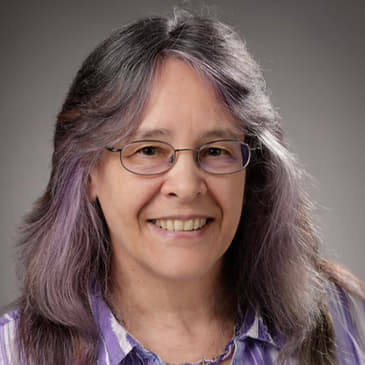
Lisa Morgan is a Certified Autism Specialist. Lisa is a consultant, speaker, and professional trainer. Lisa is the founder and co-chair of the Autism and Suicide committee of the American Association of Suicidology and author of the tool kit Crisis Supports for the Autism Community. Lisa is an expert as an Autistic Adult with lived experience of suicidology as a suicide loss survivor. Lisa is the owner of Lisa Morgan Consulting, LLC where their staff work with Autistic individuals experiencing suicidal ideation and finding themselves in a time of crisis.
Please join me as I welcome Lisa Morgan.
Philip King-Lowe
Lisa Morgan, welcome back to Today's Autistic Moment. It is always a pleasure to talk to you. So I am so excited that you're here today.
Lisa Morgan
Thanks, Philip. I'm always, always glad to be here, too.
Philip King-Lowe
This conversation is important. We're talking about Autistics finding themselves after a period of grief. In previous episodes, you and I have talked about what happens in those few months, weeks after someone has passed away, or a relationship has ended, and you go through that period of tears. You go through. You might go through that point of dealing with your anger, that person's gone. You might deal with, maybe you might not deal with any of those things. Maybe you just may go through a lot of Autistics will go through a period where they're going through their alexithymia. They don't know how they feel, and they may find it later. However, it works for each Autistic person, that's how it works. There's a process of finding oneself again, and I would like us to talk about that, because it is unquestionably a very difficult time for not only the individual, but also for the people around them to understand what someone is experiencing. And for a lot of Autistics, you may not be completely understanding what you're experiencing. So this is another one of those opportunities to put a name on something if you feel that, that will help. So Lisa, let's give this audience some important information as to what we mean when someone who is going through a their stages of grief, what does it mean when they say, I need to find myself?
Lisa Morgan
What that typically means is that everything that they had known as their life before they either lost, you know, a very special person in their life. It could be a job, it could be a pet that they absolutely loved, but everything that they knew is now gone. And they have to find that new normal, we call it, and to have a little just like a word picture of where someone might be coming from after the loss. I described it once as wearing clothes that didn't fit were the wrong colors and were made of very scratchy material that that's kind of what it feels like to live in that space of change and uncertainty and loss.
Philip King-Lowe
There's a sense that you don't really know yourself anymore. There is that experience of not only losing the person or the job, but the person that you were while you were with that person or doing that particular job. It's just finding your way to exist in the space that you are doing. One of the greatest writers I ever read, who wrote something about grief, says, "When we lose someone we love, we never really get over it. We just learn to live with a gap that is left." So the whole point of finding yourself is, how are you going to live with that gap in your life?
Lisa Morgan
Right. And how are you going to reestablish a life that is completely new and in all aspects? I mean, it could be the environment, it could be friends, it could be your way of regulating. It could be new coping skills. I mean, it could it's just like everything is gone, especially if it's an, you know, and a loss that's immediate, like a suicide, or, you know, a tragic car accident or something like that, where it's just you didn't see it coming. You're just in this vortex of change, and change is uncertainty, and it's very difficult, and that what you talked about, of not being the same person. I also I felt, I definitely felt that way after losing my husband to suicide, I felt like I couldn't even count on my own processing or my own, you know, coping skills a way of being while I had other people who were kind of scared of losing me as well, wanting me to be the same person I was before. And as much as I would want that too, it just was not going to happen.
Philip King-Lowe
I think it would be worthwhile for us to speak to the people who might be wanting to support someone in a moment like that, but they don't really know what to say, what to do. They are afraid of losing their friendships with this person, and so there's a tendency to try to, you know, keep your place with that person, and just realize that their whole life is very different than it used to be. Or how they thought it was or how it used to be, you know, it may mean reestablishing patterns of life that you couldn't when the other person was around. It can also mean things like you just mentioned that when you've lost somebody, and even if it's a death that you were expecting, there's still that part of you, especially if you've been a caregiver, that now has to, after a long period of time, maybe a long period of time of caring for somebody who was suffering or had a terminal illness, there's that part of you that still wants to be a caregiver, but you're not in that role anymore. Now you're taking care of yourself. Which one of the things about taking care of someone like that is that you have this adrenaline going through your system while you're taking care of this person and now that person is no longer there. So it can be difficult to move from being a caregiver into just taking care of yourself.
Lisa Morgan
Yes, again, that's change. And I do believe that, you know, with taking care of being a caregiver, and all of a sudden not being a caregiver, it's the same sort of, what do I do with myself now? You know, what do I do with my time? What do I do to fill in all that time I was caretaking? Who am I right now? I'm not a caretaker anymore. So who am I? I thankfully was able to keep my teaching position for a while, but I didn't manage to keep it for long, and then I was in that predicament of, okay, who am I now? I'm not. I'm no longer able to teach. It's just a complete change, and change is very hard for Autistic people. So you had talked earlier too, and at the beginning of that last question about people supporting people in grief, whether it's you know, known or has been an immediate loss. Friends, can well, I mean, I think everyone should ask, absolutely ask, what is needed, even for somebody who is a caretaker and now they're not, what do they need? Ask? Nobody asked me, and they just kind of, there's traditions, right? There's bringing food, there's encouraging hugs, there's small talk, there's things that people know to do when somebody is grieving that did not don't always work with Autistic people, because they need something different. Then I had people who became my friends who were just way too friendly for me. It takes me time, and they weren't giving me the time that I needed. So really asking is really, really key.
Philip King-Lowe
I give this piece of advice to anybody who is grieving that, or to anybody who just I say to them, don't ever let anybody tell you that someday you will get over this. Because that's very cruel, number one. Number two, they don't know that. And the grief stage continues through the period that you're looking for yourself again, and it will be different for each person. And I repeat to those who may be trying to say the right thing to someone who is grieving a loss, a significant loss, do not tell them that they will get over this, because, again, you don't know that, and quite frankly, you're being quite cruel. And with Autistic people, especially if we've been in a routine with this particular person that is no longer there, that can be quite traumatic, actually, because the adjustment is it's, it's impossible to describe, I think, especially if you're Autistic to someone who is not. The loss of the routine you had with that person. It's so different. It can, as I say, it can cause trauma, significant trauma. So please talk a little bit more about that, Lisa, because I think it's so very important to really lay out for people.
Lisa Morgan
Yeah. I mean, it's, it is traumatic. It's the loss of everything that you had in your life, routines, people, feelings, emotions, it's all gone or dysregulated, counting on even, even everything that you were to that person or, you know, pet or job that you lost is gone. And then you have to figure out, not only the ways to do what you did before, but you also have to find ways to do what maybe that other person in your life had been doing as a part of your life. So one thing that I struggled with was mowing the lawn. I was in Florida, the lawns grow like crazy down there, and I had very kind neighbors for the first, like, six or seven weeks, mow my lawn for me, and then I was on my own. It was something that my husband took care of. So, you know, that became a very, very difficult thing for me to figure out how I'm going to do that. And that seems like simple for everybody else, but it was a sensory nightmare. I didn't have the strength I you know, I finally had somebody come who found me in tears and just offered to do it for me. I didn't even know how to ask. Because I wasn't used to even asking. Because reaching out to people is a social skill, and if you're not used to it, because you're used to your life being the way you have made it over many, many years, and suddenly all of that is gone, You don't even know what you need. You don't even know how to ask for what you need. Staying regulated. I mean, staying regulated is different. There are so many things that change, so many little things, so many big things. And if you're someone like me, where change is extremely difficult, just, you know, just doing the menial tasks is hard.
Philip King-Lowe
Yeah, I know exactly what you're talking about. You know, there's that part of you too, that the person that's not there anymore. Used to be someone you'd ask a question to, and that person's not there for that either. I laugh at it because I've been there. I mean, I remember, well, yeah, ten and a half years ago, after my mother died, I found myself seeing certain things and think, "Oh, I gotta tell mother about that." Like, nope, you can't do that anymore. You know, just admitting that to myself was very difficult. And you know, when it is a job matter something that you had that was providing you with some kind of income, and then you have to just adjust to how you're going to make all that work. That can really take a long time. And the job loss itself is traumatic, but the other trauma that comes is just figuring out, how am I going to live my life, and what am I going to do, what supports am I going to seek? How do I find them? And you know, there's all kinds of things that go on. Go ahead.
Lisa Morgan
And depending on the depending on who you lost again, if it was somebody in your family that you need to take care of the, you know, the funeral, or, you know, cremation, diff part of that, if you have to deal with life insurance and you have to deal with kind of any things at their work situation, telling people, you know, losing half that income of a family and you're dealing with so a lot more paperwork, a lot more people. You may have to, like I did, have to repair your home, put, put it up for sale. Relocate. I mean, there's so many different things that are happening, and you don't even know yourself anymore.
Philip King-Lowe
Right.
Lisa Morgan
You don't even have that you know, at the end of the day when you can go home and you can just be in your safe spot and you can regulate and be okay, that's gone too,
Philip King-Lowe
Right.
Lisa Morgan
So you don't even have that. Then you don't have people understanding you, because you may not, as an Autistic person, be showing the, you know, societal norms of grieving. You may not be doing the traditional ways of, you know, a funeral or something, and so you have that pressure, and everything is so extraordinarily difficult. Yeah, it feels like, it feels like you're walking, you know, through wet cement.
Philip King-Lowe
Yes. And the stuff in the very beginning, it's relentless, the paperwork, the people calling you, the people trying to get in touch with you, and no, they don't understand. No, social socially, I can't take this right now. And there's that.
Philip King-Lowe
Coming up after this next commercial break, Lisa Morgan and I will talk about Autistics who just learned about their Neurodivergence and how they find themselves in a whole new world of who they are. We will also talk about grieving a loss of someone and discovering that you are Autistic during that time of grief.
♫ Segment Ending Music ♫
Commercial Break II
♫ Queermunity Ad♫
♫ ITI Assistive Technology Ad ♫
♫ Actually Autistic Coach Collective Ad ♫
TAM Support Ad
Today’s Autistic Moment is a Neuro-affirming podcast where Autistics are people. Autism is an innate characteristic of Autistic people. On this podcast, Autism is not a deficit or a disorder. On this podcast, disability is not a bad word either. The guests you hear from on Today’s Autistic Moment have the audacity to believe that our intersectional identities are a strength that brings people together to advocate for real social change.
Today’s Autistic Moment needs your contributions to continue our way forward for the Autistic Adult intersectional communities.
Support Today’s Autistic Moment in any of the following ways.
· Make a one-time donation through the Ko-fi icon when you tap on Support Today's Autistic Moment on todaysautisticmoment.com
· Subscribe monthly via Patreon.
· Purchase items at Today’s Autistic Moment’s Logo Shop.
· Share Today’s Autistic Moment with your family, friends, coworkers and others through social media and/or by telling others about us.
Donations are not tax-deductible but help keep Today’s Autistic Moment as a safe space.
Thank you for supporting Today’s Autistic Moment.
♫Segment Beginning Music♫
Segment 3
Welcome back. Before the commercial break, Lisa Morgan and I talked about finding ourselves following the loss of someone we love. In this part of the show, we will talk about discovering that we are Autistic and how that can be a time of grief.
Philip King-Lowe
Now, let's also talk about the other kind of grief that can come, and that is, after you've discovered that you are Autistic or Neurodivergent in any way, shape or form, that's another moment when you have to find yourself all over.
Lisa Morgan
Yes.
Philip King-Lowe
And I know of someone who discovered that they are Autistic during a time that they were dealing with the loss of a loved one. So they've got to do two pieces of work on top of everything else that they're doing, and I have also you, and I have also spoken about that, after you discover that you are Autistic, there's this period of grief you go through about If only, if only I'd have known. How would life have been different? But, and then you know you're trying to adjust to this new life with everything that you thought was gone. I can speak of this myself, and then I'm going to let you take it over, Lisa. When I learned that I was Autistic, I am Autistic beforehand, I had a church music career as an organist, choral director in churches and that sort of thing. And I had been in and out of job after job after job, and I went through a deep, deep grief time for two, three years of realizing that that career was gone, and I won't be able to bring it back the way it was. And that there were professional relationships that I can't recover now. That was a deep time of grief on multiple levels. So let's talk about that. You know when, especially finding yourself when you're going on, going through grief stages in many different ways, from many different things. Go ahead. Lisa, please.
Lisa Morgan
Yes, there's actually a name for that is called disenfranchised grief, where it's experienced differently. I mean, there is so much overwhelm in what you just explained, going through a major loss and then finding out that you don't even know who you are anymore. Never mind having lost all of your routines, and you know your ways, your coping skills, and the ways that you did things before that's gone too, and now you don't know who you are anymore. And there's a there's a loss in in all of the experiences that you've had that you can look back on and say, how would that have been different if I had known I was Autistic?
Philip King-Lowe
Right.
Lisa Morgan
And then, what does this look for me in the future, which is all uncertainty, which is also on its own, extremely dysregulating.
Philip King-Lowe
Yes.
Lisa Morgan
And at that time, you know, people are just probably in survival mode and taking, you know, you get to the point where you take one day at a time and you just do the best that you can. Eventually you do pick up sort of what might feel good in the moment, like, Okay, this music is calming me. You can start to pick up those things. One thing that I did was go to a grief group in the early, early part, and I found that I was just kind of absorbing everyone else's grief. So I did an online one, which really helped. But there was no Autistic online. There wasn't a forum in that online group for suicide survivors that were Autistic. So again, there was a lot of misunderstandings which happens. There's a lot of on top of everything that we've already talked about, finding out your Autistic, disclosing your Autism to people who don't believe you being invalidated, finding out exactly what, what is Autism? What you know? What does that mean for me? I mean, it's just, there's just so much,
Philip King-Lowe
Yeah, and then finding people you can relate to, people who understand you. And this is where the Autistic community can come, come in very handy, because once we find some Autistic people who understand us, that's a great relief. I continue to find that very comforting for myself. I mean, the people are part of my network and all that, they actually energize me quite a bit, you know, because they know what I experience and I understand what they experience, which is why I started this podcast, because there's a lot of them that are appreciative, but I get to talk about it from my experience, which also is the experience of many other Autistics, and that's why they like coming on my show.
Lisa Morgan
Yes, yeah, yeah, yeah.
Philip King-Lowe
So you know, so,
Lisa Morgan
And it did take me a while to find my people, but I did as well, and what I did was started to advocate, started to help others, and I found that that was very, very helpful, and yes, regaining my sort of place in the world, regaining an identity, like, who am I? You know, just kind of regaining some of the things gradually that I had lost immediately.
Philip King-Lowe
Right. Yeah, this is a great place to talk about where do we see Autistics thriving while they're finding themselves during a time of grief and loss? We just talked about finding the Autistic community and how that's helpful. But one of the reasons I enjoy talking to you in these moments is because your work is centered around Autistic strengths, yes, and I'm sure that as you work with Autistics in these spaces, you see Autistics finding and using their strengths to really find themselves again. Please talk about that, because I'm sure it's going to be very informative and uplifting. So go ahead.
Lisa Morgan
Yes. So you know, just for myself, I have always wanted to be a writer, and I was so my husband died in June of 2015 it was New Year's Eve. I didn't feel like I could go into 2016. I reached out to Jessica Kingsley, publishing Jessica Kingsley herself, and asked if I could write a book about my experiences. And she said, Yes. And then I had, from that moment, I had a purpose, a drive where I was going to help other Autistic people. A lot of other people like, if the depending on what the loss is, you know, if it's, if it's a loss of a pet, Autistic people might just get very, very passionate about their experience and how they can help other people who have lost a pet. And it will, it will be, you know, very detailed, very, very helpful. And so I think Autistic people using, using their strengths, a lot of it's probably around passionate interests and the knowledge that they have that's not lost, because, if you think of Autistic strengths being, you know, routine based, rule based, creativity, which would go along with the passionate interest, but you know, problem solving, fairness, honesty, those are all Autistic strengths that may during this loss be also lost. But they would still have that, that passion, that passion that drive around something that they've experienced and they really want to help other people to not have, or to have, you know, to have a better experience than they did.
Philip King-Lowe
And they may very well discover a strength they didn't know they had.
Lisa Morgan
Yes.
Philip King-Lowe
Or a passion for something they didn't know they had, you know, whatever career I once had that I couldn't do I eventually, over time, turned it into Today's Autistic Moment where there's a desire to bring other Autistics into the picture about how they've coped with something like this.
Lisa Morgan
You're a very good example of thriving. And also, once you have been, once you have experienced that extreme out of the comfort zone, place of loss and just, you know, everything in your life has changed, when you start then thriving, it seems like you can again step out of that comfort zone, because you've kind of been there before, and you find yourself doing things that you never thought you were capable of doing, before you find yourself stretched and it feels okay. And so I'm not saying that it was a great experience to get there, but I think once you have gone through that, that there's a strength in that as well.
Philip King-Lowe
Yeah, and you discover things that you didn't realize you could do, you know, like one of the things that can be very difficult is especially if the person that you lost, or however you lost them. You know, used to do a particular thing, then you discover that you can do that particular thing sometimes. And you learn, you know, that you can do it. And so you learn to do it, and you do it well, other things you know, you may find yourself developing skills to ask people for help things you didn't know that you had. And I know like for myself, sometimes, when I get into a situation where I need to ask someone for help, I will tell myself, for example, that you have two choices. One is to ask someone for help, and B is to be stuck in this space where there's nothing you can do, and therefore you just sit there in a space of inertia. And then you start saying, okay, item number two doesn't sound like a good idea, you know. So it's time to figure out how I ask somebody to help me. You know, you can learn things, things like that can help you thrive. It can also just be like, hey, I didn't know I could ask someone for help. And then suddenly you learn how to do it, and you just keep on going, you know,
Lisa Morgan
Yes, and you get to sort of once the slate has been wiped clean. And it, you know, not, not of your choice, necessarily, but it's sweet you you're at this new at this crossroads, and you can make yourself into somebody knew that you wanted to be some somebody, you know you have, you have this clean slate, right? You have this new you can start doing things. You can leave off the things that you didn't particularly like about yourself last time, and you can add things that you you've always wanted to do or do things different. You have this. You have this way of just taking this chance to kind of reinvent yourself.
Philip King-Lowe
You know, you could almost think of it like this. Think of yourself as being in a space where your life is now a blank canvas, and now you can decide for yourself what you want that picture of yourself to look like. You know, and you get to choose your colors. You get to choose your designs. You get to choose what's something you want in that picture, and what things you don't want in that picture. You know, and I also know that the harder part is, if you lost somebody who was abusive, that's a little bit more difficult. But in some cases, your canvas might be one where you know what that person's no longer doing this. So I'm going to do something else. You know what I mean, right? So I mean part of finding yourself in a situation like that is just learning to see that whatever they used to say about you or to you is no longer true. You get to define that for yourself, you know?
Lisa Morgan
Yes, and I just want to say that it's not, it's hard work, right? And recreating yourself, we're kind of just talking about it like you can do it's hard. And also it takes a while, because Autistic people, you know, a lot of them, have an aversion to change, and what you're doing is you're changing things, and you're trying new things, and sometimes they're going to work right away, and sometimes they're going to take another chance. But it's definitely a process. I would say I'm still, 11 years later, working on that process. I've done a lot of good things since then that I can, you know, feel good about, but I'm still working through that process. So it's, it's not in any means easy. It's not by any means, you know, a sudden thing. It's, it's over time. It's through perseverance and resilience. But it's also, you know, it can be a really good thing. And there's strength all along the way that you have to be able to take that next step, whichever next step that you know you want to take, you have the strength a lot of times, because of everything that you've been through to be able to take that next strength. And you might even have different types of support as well. You never know what's gonna happen along the way.
Philip King-Lowe
Yeah. There are two other things I like to bring into this in that, you know, be very gentle with yourself and be very kind to yourself.
Lisa Morgan
Yes, absolutely.
Philip King-Lowe
And I know for Autistics, I've sometimes said something like that, and their answer is, I'm trying.
Lisa Morgan
Yes. It's hard.
Philip King-Lowe
Yeah. Life is stressful and losses are painful, and you know, if you're finding yourself it being so difficult, you're not doing anything wrong.
You're not being stubborn or anything like that, but you do have to be kind to yourself and gentle, because this is a time for you when, quite frankly, you need to feel some of those emotion.
Lisa Morgan
You need
Philip King-Lowe
You need to figure those out for yourself.
Lisa Morgan
Yes, grief is definitely something you need to go through. You can't go around it. You can't go under it or over it. You have to go through it
Philip King-Lowe
Right. And quite frankly, the longer you put it off, the more difficult it's going to be, in fact, for in some cases, it will definitely catch up with you later on.
Lisa Morgan
Yes, and sometimes it will. A lot of times, taking care of yourself is, you know, being kind in how you think about yourself. So if you have managed to get up, get ready for the day, feed yourself, and even if you were crying or, you know, screaming or throwing things, whatever the emotion was, but you did those things then that that that's a step forward. You know, I haven't been able to get out of bed, but you texted someone. That's a step forward.
Philip King-Lowe
Yeah, and you all, if you have any anger at all, you need to find the best way for you to handle that and do it. I'll tell you one thing that I used to do. I had an incident where my dad died and left me with some pretty raw stuff. And I used to actually sit in on the couch, and I used to pretend he was sitting at a chair across for me, and I would tell him exactly what I thought, you know, things like that can be very helpful. I mean, right? You know. Here's one of those exercises you can do, if you can, that I find very helpful. I found very helpful, and I've helped some other people use it too. Sit down and write a letter to whomever that person is. Say Anything and everything you want to say, don't hold anything back. Find someone to read that letter with. And I do mean read it and then be sure you can find a way to burn it. And I tell you when I did this now, 26 years ago, and I and others who have done this too, when you finally li thghtat fire and the paper that you wrote it on just sort of gets burned up, you will rise from that and you will feel like it's gone. I have found that when I've done that, what do you think?
Lisa Morgan
Yes, absolutely. And I've drawn my emotions and done the same thing, drawn my emotions on paper, ripped it up, burned it in my campfire pit out back. And, yeah, it's freeing.
Philip King-Lowe
Yeah, it is. It like can breathe in this air.
Philip King-Lowe
After this final commercial break, Lisa Morgan will talk about the work she has done to create a resource for Autistics who are LGBTQIA+ and talk about being your own best advocate when finding yourself. Today’s Autistic Community Bulletin Board will follow.
♫ Segment Ending Music ♫
Commercial Break III
TAM Autistic Consulting Services Ad
Learning that you are Autistic will take you through various stages. Grief, self-discovery, finding yourself, supportive individuals and resources that help you navigate where you are and where you are going. As an Autistic individual myself, I can relate to your experience, and walk with you.
TAM Autistic Consultation Services are not therapy or legal advice. My consultation services offers you education supports, with recommendations to people and resources to see if they will work for you.
Go to todaysautisticmoment.com and read about TAM Autistic Consulting Services. If interested, please fill out the intake form and make an appointment so we can begin working together.
♫Best Care Ad♫
♫MICC Ad♫
Future Shows
Today’s Autistic Moment will recognize June as Autistic and LGBTQIA+ Pride month.
On June 14th, Coach Lee Hopkins will return to Today’s Autistic Moment for the episode Proud, Autistic & Queer. Autistics and Queer people are engaged in maintaining the dignity of our identities while defending our right to exist. The negativity in the government, media, and special interest groups; Queer people must find ways to thrive through who we are. Coach Lee Hopkins is a Black Autistic and Transgender life coach who will talk about how he is thriving by maintaining his dignity in who he is.
On June 20th, Today’s Autistic Moment will go Live at Quiet Riot at Queermunity. You will get a little tour of Queermunity and hear from the staff about this amazing establishment.
On June 28th, Hilary Otey and Coda Brucki from Queermunity will be my guests to talk about Maintaining Safe Autistic Queer Spaces.
Thank you for listening to Today’s Autistic Moment.
♫Segment Beginning Music♫
Segment 4
Welcome back. In this final segment, Lisa and I are going to talk about some resources and encourage you to be your own best advocate to find yourself.
Philip King-Lowe
You have done a lot of work with others to develop that guide for LGBT people that came out last fall. Want to talk a little bit more about that?
Lisa Morgan
Yeah, so that's an amazing guide that was led by Ray Hartman Haight, and he's, he's, he's an amazing, he's just an amazing Autistic person. And you know that resource is available on the website, and it goes through really supporting an Autistic person and from the LGBTQ community. One of the things that I really appreciated that he wrote in there was the sort of pushing back. I'm going to do this because, to spite everybody, you know, just because and just having that that resilience and that backbone to just stick up for yourself, and that would come in really great and people telling you that you've been grieving too long, you know that that's something a common that is commonly heard by people who are grieving. It's not on anyone's timetable, but your own. Did I say the website?
Philip King-Lowe
Go ahead. Say it.
Lisa Morgan
Philip King-Lowe
Yeah, and my guests and my network can find it on the Adult Autism Resources Links Page on todaysautisticmoment.com I know I put it there, and I will be putting it in this transcript as well. And now what we're doing, we're talking about resources for people to find, and you just talked about yours. What are some other resources we can point people to Autistic people and those who support us to that might be very helpful. Can you think of others?
Lisa Morgan
Yes, autismandgrief.org. That website was put together by the Hospice Foundation of America, including myself, including Alex LaMorie, who recently was killed by police in Maryland. It's an excellent website, and it to me right now, it's a tribute to him. He's on there in a couple of videos, and he was really such a kind, kind, gentle man to work with. But that's a really excellent resource for grief and for Autistic people and the people who support them.
Philip King-Lowe
Well, Lisa, before we finish out, is there anything we want to say to our audience that we haven't talked about yet? You know, we've said a lot here today. You know, some things I would reiterate as we finish out is, when you're grieving, you have to give yourself a lot of grace and a lot of room, because that finding yourself again is not the kind of thing that's just going to happen and it's done, I would say that that's probably going to be something you'll be working on probably for the rest of your life, okay? And it's also, you know, with routine changes and just being Autistic, it's going to meet a lot of other things going on. And you know that disenfranchised grief, it's going to be there because it comes from multiple places and for multiple reasons. You want to respond to any of that before you finish out Lisa?
Lisa Morgan
Yes, I mean, to the Autistic people, you know you are your strongest advocate. You know, even when everything is gone and everything is lost, you still there's still a part of you that you have in your core that you can begin to, you know, rebuild, and you know what you need in the moment, and you know ways to take steps forward, but you are. You are the one who knows most about you, and learning how to advocate for yourself, learning new skills, learning you know, just as you go along, taking your time, taking breaks, taking care of yourself, you know, it is a very long process, but it is, every step you take, you're moving more and more towards that new normal.
Philip King-Lowe
Don't feel like you have to embrace that new normal immediately. It will take time, and you're certainly encouraged to take your time getting there. That new normal is going to be adjusted for a long time, so give yourself that space to learn it little by little, it takes a lot. Lisa Morgan, always it is a pleasure to talk with you about topics like this, and I'm sure we will find other moments to talk or to exchange information and also help our audience better understand how Autistic people thrive and in times like this. So once again, thank you so much for being here.
Lisa Morgan
Thank you, Philip. It's really always, always a pleasure to talk through these issues with you.
Philip King-Lowe
Thank you.
Transcribed by https://otter.ai
Sign up for a subscription to Ad Free Interviews on todaysautisticmoment.com. The subscription is only $12.00 a month or $144.00 for a whole year. Once you buy the subscription, you can click on any show where you see the logo for Today’s Autistic Moment Ad Free Interviews to hear only the interview without interruption, segmentation and music. You can listen to all Ad Free Interviews going back to July 2025 and all upcoming shows.
Today’s Autistic Community Bulletin Board
All these events and many others such as sensory friendly concerts, art activities and museum information links are available on
todaysautisticmoment.com/bulletinboard.
The Adult Coffee Club for Autistic Adults in Minnesota are held on the second Tuesday of every month (weather permitting) at Dogwood Coffee located at 2700 University Ave W. Suite 100 in St. Paul, Minnesota. The Zip Code for your GPS is 55114. The Adult Coffee Clubs will begin at 3:00pm to 5:00pm on June 9th. July 14th. August 11th. September 8th. October 13th. November 10th. December 8th.
Understanding Autism virtual classes are offered by The Autism Society of Minnesota. The next classes will be June 8th, 6-7pm. July 13th, 10-11am. August 10th, 12-1pm. September 14th, 6-7pm. October 12th, 10-11am. November 9th, 12-1pm. December 14th, 6-7pm.
On Thursday, June 11th, beginning at 9am to 12pm, Dr. Barb Luskin will present the workshop at The Autism Society of Minnesota entitled, Supporting Autistic People with Higher Support Needs: Tools for Communication, Choice, and Quality of Life.
On July 9th, beginning at 9am to 12pm, Jillian Nelson will present a workshop at The Autism Society of Minnesota entitled Maximizing Your Disability Services in Minnesota: Person Centered Planning and Creative Solutions.
Want to provide better support for Autistic people-and feel confident doing it? AuSM’s Autism Direct Support Certification program is a deep-dive training series designed for direct care professionals, but open to anyone who truly wants to understand Autism and put that understanding into action. This is not a one-size-fits-all training. You’ll explore real world challenges and gain tools that you can apply right away-grounded in evidence-based practices and a Neurodiversity-affirming mindset. Register for upcoming sessions on July 17th, 24th, and 31st: 9:30am to 12:30pm.
Go to ausm.org to learn more about these and other social and recreational programs, educational events, counseling services and support groups at The Autism Society of Minnesota.
MNeurodivergent is a social club rooted in a vision of bringing Neurodivergent Minnesotans together to build meaningful connections. Its core principle is to foster an environment where all are treated with dignity and respect regardless of ability or preferences. Go to their website mneurodivergent.org for more information, become a member, volunteer and attend their events.
Today’s Autistic Moment is here because of the generosity of supporters and sponsors. Go to todaysautisticmoment.com and select Support Today’s Autistic Moment to donate.
If you have questions about Today’s Autistic Moment, please send an email to todaysautisticmoment@gmail.com.
Thank you for listening to Today’s Autistic Moment: A Podcast for Autistic Adults by An Autistic Adult.
May you have an Autistically Amazing day.
♫ Closing Background Music with credits ♫
All of the guests meet with me on Zoom to record the interviews. The interview transcripts are provided by Otter. The podcast is prepared and edited on WavePad Masters Edition by NCH Software. The podcast is published by Spotify for Podcasters. The music that you hear is licensed to Today’s Autistic Moment by premiumbeat.com
