Go to todaysautisticmoment.com for the transcripts.
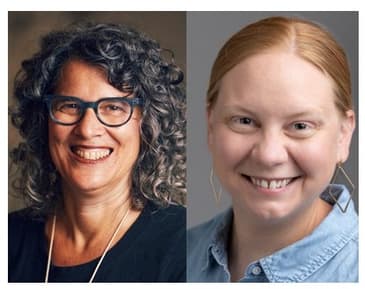
The first two weeks of Autism Acceptance Monthhave been very difficult given recent statements made by misinformed individuals. On this episode of Today’sAutistic Moment, Philip will have some things to say about all of that in the first segment. In segments two, three and fourwe will be hearing from Emily Goldberg and Anna Voight with the Autism Mentorship Program. The Autism Mentorship Program brings in Autistic Adults to mentor Autistic teens and youth to provide them with a positive space to be themselves. Anna herself is Autistic and a mentor who will talk about her experience working with Autistic teens and youth has helped her to be a leader and encourages her mentee to be a leader in their own life.
Dyslexic Accessible Transcript: Mentoring Future Autistic Leadership
Spanish Accessible Transcript: Tutoría del futuro liderazgo autista
German Accessible Transcript: Mentoring zukünftiger autistischer Führungskräfte
French Accessible Transcript: Mentorat des futurs dirigeants autistes
Chinese Simplified Accessible Transcript: 指导未来自闭症领导力
Transcript
Mentoring Future Autistic Leadership
April 27th, 2025
Episode Preview
The first two weeks of Autism Acceptance Month have been very difficult given recent statements made by misinformed individuals. On this episode of Today’s Autistic Moment, I will have some things to say about all of that in the first segment. In segments two, three and four we will be hearing from Emily Goldberg and Anna Voight with the Autism Mentorship Program. The Autism Mentorship Program brings in Autistic Adults to mentor Autistic teens and youth to provide them with a positive space to be themselves. Anna herself is Autistic and a mentor who will talk about her experience working with Autistic teens and youth has helped her to be a leader and encourages her mentee to be a leader in their own life. Welcome to this episode of Today’s Autistic Moment.
Segment 1
♫ Today’s Autistic Moment’s Theme Song, Today is Your Day ♫
Today is your day on Today’s Autistic Moment: A Podcast for Autistic Adults by An Autistic Adult. Where Autistic Adults get to be yourselves in a space that is safe and made especially for you. While listening to this podcast, you stim, and fidget all you like.
This first segment of Today’s Autistic Moment is sponsored by The Autism Society of Minnesota, known as AuSM throughout Minnesota’s Autism Community. As Minnesota’s First Autism Resource for more than 50 years, AuSM serves the whole state, the whole spectrum for the whole life. Visit AuSM at ausm.org.
Please visit todaysautisticmoment.com where you can listen to the podcast, get transcripts, program updates, and read the guest bios pages. You can also visit the Adult Autism Resources Links Page. Please visit the Future Shows Page to read the titles, guests, and descriptions of all the shows coming up. The transcripts are sponsored by Minnesota Independence College & Community. There is a link provided to get access to a document form of the transcript without the purple-colored background so that you can print it without using up the ink on your printer. The written document has a font that is accessible for dyslexics. There are additional transcripts available in Spanish, German, French, and Chinese Simplified.
Please follow Today’s Autistic Moment on Facebook, Instagram, LinkedIn, and Blue Sky. Join Today’s Autistic Moment Community Group page on Facebook for conversations and updates. Please subscribe to the YouTube channel @todaysautisticmoment to watch the newest episode of Autistic Voices Roundtable Discussions.
Robert F. Kennedy, Jr., the Secretary of Health and Human Services has brought added trauma to the Autistic community during Autism Acceptance Month. It was all 100% unnecessary. Advocacy for Autistic people, young and old, over these past 15 years has been incredibly successful. The movement towards the diversity within the Autistic and Neurodivergent communities has made so much progress, that people who want to reverse and erase all that progress are determined to further denigrate Autistic individuals. Last week, RFK, Jr. stated that by September we will know what is causing the “Autism epidemic.” RFK, Jr., further said that Autism is not biological, and it must be eradicated. He also said that Autism destroys families. Now, RFK, Jr., suggests that there needs to be a registry of Autistic individuals that violates HIPPA laws. Does this all sound familiar? Up until 1973 homosexuality was said to have been an illness. There were commercials that were advertising about why children should beware of homosexuals because they were considered sick and disgusting. Since then, the LGBTQIA+ communities have worked towards human rights to where we are now. Since the LGBTQ+ communities and the Autistic community overlap, and since Autism Acceptance has lead advocacy for Autistic people to be included in society; the last thing the neuro-normative culture wants is for Autistics to succeed further. This is why they are gaslighting the public and Autistic people to believe that there is something not quite right about us. The exploitation and othering of Autistic people make money for pseudoscience researchers to misinform the public. Marginalizing Autistics makes money for people who want Autistic people to be institutionalized, even after the Supreme Court ruled in the Olmstead V. L.C., case in 1999 that institutionalizing Autistics, or anyone with mental or developmental disabilities is discrimination. If you are feeling sad, frightened and downright devastated, your feelings are valid. This is not right. This is not justice. This is completely unacceptable.
Last week, Today’s Autistic Moment had a resource table at the 30th Annual Minnesota Autism Conference organized by The Autism Society of Minnesota. One of the keynote speakers was Tiffany Hammond from Fidgets and Fries. The hyperlink is in the transcript. Tiffany is an Autistic storyteller. That is how Tiffany does her advocacy. Tiffany Hammond will be joining me on a future episode to talk about how Autistics can advocate through story telling. Last week, Tiffany wrote the following words
We are not soundbites. We are not your worst-case scenario. We are not your charity projects. We are not diseases to be cured, epidemics to be feared, or burdens to be managed. We are human beings with rich inner lives. With struggles, yes. But also, with joy. With strength. With community. With love.
Today’s Autistic Moment agrees with Tiffany and all the other amazing Autistic advocates who are part of our network. We are not going to allow all of this to happen without Autistic Adults having our opportunity to talk about how we feel about all of this. We know that RFK, Jr., and those supporting all this nonsense are not going to let Autistics have our say about what he is doing. So, Today’s Autistic Moment is going to put the voices of Autistic Adults front and center. In May, there will be a Special Edition entitled: “What We Have to Say.” There will be Autistic Adults who will talk about what is being said about Autism by the current administration to show that we are human beings who have the right to be heard, and our dignity respected.
Lastly, I want to say something to all our Autistics, caregivers, and advocates who are hearing this episode. All of what is happening is to get Autistics to think that we are less than who we are. They want us to believe that we are so disordered, sick and unusual; that we must be assimilated into a neurotypical culture with no diversity of any kind to be included or accepted. The worst thing that we can do right now is to give them the satisfaction of giving into any kind of self-destructive activity including suicide or violence. If you are experiencing suicidal ideation because of what is happening, please contact Lisa Morgan at autismcrisissupport.com. The hyperlink is in the transcript and on the Adult Autism Resources Links Page. Above all, be sure that you are taking good care of yourself. Indulge in your special interests. Make yourself happy by being who you are without apology. Believe in yourself as the best Autistic individual you can be. Eleanor Roosevelt once said, “No one can make you feel inferior without your consent.” Do not give these folks your consent to make you feel inferior. Use your Autistic strengths to be proud of who you are. Use your best advocacy skills to benefit the Autistic intersectional communities. If you are a writer, write to your local newspaper so they can publish your comments. If you are someone who contacts your local, state and federal legislators, do it. If you can start social groups and do some grassroots organizing, do it. I encourage Autism organizations to create opportunities for Autistics to come together and talk with your staff to consider what you can do to support them in this time. To our caregivers and supporters, listen to your Autistic loved ones. Help them to be proud of who they are. Validate your Autistic loved one in how they feel about what is happening. Do not minimize this or celebrate this. And do not start going down the road of “at last, something to help me and this poor child.” This is not helpful; this is devastating to your Autistic loved one. The last thing Autistics need is to be put in locked institutions where their families never see them again, where they are kept in unsanitary spaces and buried in unmarked graves. We need you to support us in taking care of our Autistic needs. This is a time to empower us as Autistic people without behavioral interventions. Turn your bright lights down, let them wear comfortable clothing, and let them eat all the chicken nuggets and fries they want. If you are a parent or caregiver of an Autistic with high support needs, please help them to have everything they need by providing a space of full acceptance. Make them aware of how much you love them, even if they do not appear to be loving you back. Do not seek to change them. Instead, seek to comfort and affirm them as much as possible.
Today’s Autistic Moment and our Autistic Community are going to get through these difficult times. We are going to be leaders, by being ourselves.
After this first commercial break, Emily Goldberg and Anna Voight will join me to talk about Mentoring Future Autistic Leadership.
♫ Segment Ending Music ♫
Commercial Break I
Podcast Apps
Today’s Autistic Moment can be downloaded and heard on most podcast apps including Apple. Google Play. Breaker. Castbox. Overcast. iHeartRadio. Pocket Casts. RadioPublic. Spotify. TuneIn. Pandora. Amazon Music. Audible. Podcast Addict. Podcast Chaser. If you are looking for transcripts, go to todaysautisticmoment.com, click on the episode you want to listen to and follow the directions to find the transcripts.
Thank you for listening to Today’s Autistic Moment
♫ Looking Forward Life Coaching Ad ♫
♫Best Care Ad♫
Segment 2
♫Segment Beginning Music♫
Philip King-Lowe
Emily Goldberg and Anna Voight, welcome to this new episode of Today's Autistic Moment. I am so glad that you have taken time from your day to be with us. So welcome to both of you.
Emily Goldberg
Thank you. Thanks for having us.
Anna Voight
Yes. Thanks for having us.
Philip King-Lowe
I'm really excited about this particular topic today, because Emily and I met at the Minnesota Autism Conference almost now, two years ago, and we talked and you know, Emily told me about the Autism Mentorship Program. And then we had that brief section in August of 2023, I believe it was where we talked about the Autism Mentorship Program. And it was, it was so exciting to hear that. And then I remember seeing Anna at the sessions that I was part of. And you've also come up to my resource tables and said hello every time. And so, I've really appreciated that. And so, I'm really excited to talk about this. This is part of my shows during Autism month, April 2025, and because I'm spending a lot of time this year talking about Autistic leadership, we just had that great show with Jenna Olson to talk about what Minnesota Independence College & Community does to Educating the Future of Autistic Leadership. And so now we're going to talk together about Mentoring Future Autistic Leadership, and this is going to be a great show, because I know what the Autism Mentorship Program does, and so I have no doubt that this is going to be a great, great show. So, I'm glad you're here. So, let's start off, let's build a foundation for our conversation today about Mentoring Future Autistic Leadership. And you know what this topic means for Autistic Adults being multidimensional. So let's start with Emily tell us a little bit, for those who are not aware of what The Autism Mentorship Program does, and maybe how it got started, and then Anna, you can kind of talk about, you know, about your role in that, and what that's been, how that's been going for you, and all that sort of thing. So go ahead. Emily.
Emily Goldberg
Sure. So, The Autism Mentorship Program was sparked by one of my twin sons. Both of my sons are Autistic and have ADHD. And when one of my sons was about seven years old, he came home from school really upset because he'd had one other friend that he played with every day on the playground, and he knew how the how it went, and he knew what to expect, and he had a great time. And on this particular day, a third child joined the games, and he was really confused. Didn't understand how the social interaction should work. He felt left out. Just sat on the sidelines and came home crying to me and said, Mom, nobody understands me, not even you, because your brain works different than mine, which I thought was an incredible insight for a seven-year-old. And, you know, I reassured him, and I said, you know, everyone's, everyone's brain works, you know, slightly different from everybody else's brain. But I really heard what he was saying, because I realized that, you know, he had a ton of support. He had great family support; he had wonderful school special ed support. He was getting outside Autism services that were terrific, but when I thought about it, I didn't think he had any actual interaction with someone who was Autistic, an adult who could be a role model for him. And it really hit me, like, how hard that would be to go through life without knowing someone who processes the world in a similar way. So, I was like, I got to get these kids mentors. I've got to find Autistic mentors for them. And I called around, you know, to various mentorship organizations, and, you know, said, “I want to find, you know, a mentor for my kid.” And every single one of them said, oh, we don't, we don't do that. I don't think that exists. And sure enough, I, you know, went on the internet and searched locally. I'm, you know, here in Minnesota, I searched, you know, country wide. I searched worldwide, and I couldn't find anything like that. And it seemed to me like this very obvious void. And so, then I talked to people in my community, people other parents I knew of Autistic kids, and said, you know, is this something that you'd be interested in? And everyone's like, Oh, yeah. And then I thought, okay, well, maybe this is something I need to figure out how to make this happen. And the next question was, would Autistic Adults be interested? Because I wasn't sure, because I didn't really know any Autistic Adults either that I knew of, you know. So, I went to a couple of support groups for Autistic Adults, and I broached the, you know, some this topic, and said, is this, you know, this something you'd be interested in? I sort of thought they might not want to, because it would be like maybe revisiting painful childhoods and things like that, and to a person, they all said, such a great idea. I wish I had had something like this when I was growing up. And yes, I want to be involved. I want to I want to give back. I want to provide what didn't exist for me. So that's really how it started, you know, it was just kind of a grassroots thing where I, you know, kind of went to the Autism Society and said, “Will you be my fiscal sponsor so I can raise money for this?” And they said, at the beginning, they said, No. And I was like, what? They said, “No, this is such a good idea. We want to partner with you on this. So, we partnered in the beginning, and we got together a group of Autistic Adults. It was very important to me to have Autistic people steering this thing, so it wasn't yet just another program designed by neurotypical people, however, well-meaning for Autistic people. So Autistic people parents, we had some people from MICC. In fact, MICC was an original partner. In fact, Jenna Olson was one of our first mentors and continues to be a mentor for us, has been there every year as a mentor. So, I'm a big fan of Jenna. It was great to hear that she was on your podcast last time, and educators and we got together and just kind of put, you know, talked for two, for about a year and a half, about what this would look like. And it started as an in-person program at one high school in Bloomington, Minnesota, and then the pandemic hit, and we, you know, said, “Do people want to switch to doing this virtually?” And about half the people did. We'd started with six, six men, six pairs. Next year, we had 12. When the pandemic hit, it was 12. And at that point, half the people said Yeah, or three quarters of people said yeah, we would. And it ended up being a lifeline. And we realized at that point that we could probably reach more people if we kept it as a virtual program only, because a lot of the Autistic Adults driving and getting places was challenging. And you know it was, it was, we could get more mentors if we did it this way, and we didn't have to be in one place, everybody could join us. So, for the last few years, it's been online exclusively, and we now have 26 pairs who meet once a week. They meet in a group at the beginning, just to kind of get an introduction to topics to talk about and then they go into their individual breakout rooms, mentor and mentee. We serve youth that are ages 18 or 14. I'm sorry, 14 to 22 we just expanded. We used to only go to age 18, and the adults are 18 plus and at least three years older than their mentee and it's very much youth driven in terms of what they talk about. It's not it's not set up as, you know, you will learn these skills. You know, it's not, it's not a social skills class. It's not, it's, you know, they can talk about whatever they want. Some, some just, some just want to play games for the whole hour. You know, they'll play Connect Four. Some are talking about, what's college life like? I want to know. So, it really depends on we and we match very closely based on interests and personality type and triggers to be avoided, those kinds of things. And everybody gets support, a lot of support. You know, in the beginning, when we were in person, we had conversation sticks, you know, written out on, you know, colorful tongue depressors with ideas of things you could talk about. There were people in the room to say, “If you get stuck, you know, we'll help you.” We'll give you ideas. We do the same thing online. There are activities that people can do the session. Facilitators, all our staff are Autistic. They check in with every parent during the session and in between sessions to see how things are going. Everybody fills out a checkout slip at the end to let us know what's working and what's not, so that we can follow through with everybody every week. So, it's a very supported environment, but it's also very much open to what the pair wants to talk about. So, I've talked a lot. I'd like to hear from Anna, her experience.
Philip King-Lowe
Excellent. Yeah. Excellent. Very good. Go ahead. Anna.
Anna Voight
Just filling off, Emily was saying a little bit. Little bit. So I'm in my second year in AMP, and I'm with my same mentee, and I think, you know, you apply and you start going through it, I think I had this idea, kind of like Emily alluded to, right, of like, Oh, I'm going to, we're going to talk about these really important things, and we're going to, you know, make progress towards goals, right? Because when you hear the mentorship program. Those are some, you know, stereotypical things that you associate with the terms, you know, mentorship program. And really Emily's point it is, you know, driven by that mentee and kind of what they want to do and what they want to talk about. And then a lot of my sessions, we just talk, talk about what's happening this week, talk about interests we have in common. Sometimes we watch funny cat videos on YouTube and just, I think, Mad Libs, we do that, and some games and just tie things in. And sometimes we talk about college, and sometimes we talk about kind of challenges and things like that. But it really depends on the week, what the mentor wants to talk about, and they really drive that conversation. And I think sometimes we hear the word mentor, and we can be really intimidated by that, and I would say mentor in the terms of the Autistic Mentorship Program, what qualifies you to be a mentor is your lived experience as an Autistic Adult. That is all you need to qualify as a mentor your own lived experience. Some other things I would add, just working with my mentee again. We’ve been there two years, and I think kind of, I was approaching kind of the end of that first year and just felt like I really don't feel like I'm doing enough, because I'm very, like, achievement oriented, oriented. I like to, like, get things done. And, you know, our sessions were just so much, just talking and I felt like I didn't really like I was being a very good mentor, um, so I was even debating, do I come back? Do I not right? I just wasn't feeling like I was really contributing. And then Emily had asked my mentee and I to speak to a different group about the program, and when my mentee shared, my mentee proceeded to say how much she loved the program, loved our sessions, how much she was learning from me, and said I was the first Autistic Adult she had ever met. So that was really kind of a reality check for me, realizing I don't have to have the answers. We don't have to be working towards a goal, just showing up as your authentic Autistic Self, being present with another authentic Autistic person, right? That there's, there's value in that alone. Yeah, a really pivotal moment for me.
Philip King-Lowe
Yeah, this is sort of one of those questions we really didn't prepare for. But as you're talking, you're giving me something to really chew on here. You know, ever since I started doing the podcast, one of the things that has really been a blessing to me, really, is that the more I talk with other Autistic Adults, the more I feel some healing from even my wounds. You know, I feel a sense that I'm talking with other Autistics, and the conversations I'm having with them, is really feeding me too. It's giving me a space to talk about some of my issues a little more openly that I might have been not so candid about talking about. And it really gave me the power, sort of the power, the strength to kind of bring those things forward to myself in some cases. Do you find that's happening for you Anna?
Anna Voight
Yes, and I would even say, building off that even more sometimes, right? We go through our challenges. We have these things, and it's like, Why? Why me? Why do I have to go through these challenges? And then, when you are talking with someone kind of behind you, right, age wise, they're going through something that maybe you went through 10 years ago. Exactly. And you have the opportunity to relate to them or say, Oh yeah, me too. I went through that. To me, it gives almost a level of meaning to those challenges that I went through and like, wow. It's because of those hard times and because of those challenges that I'm now able to help someone else. So yes, I think that for me, has provided a lot of meaning.
Philip King-Lowe
Yeah, absolutely. I've been finding the same thing over the past five seasons. Here, you know, a conversation with somebody about, you know, my experiences after I was identified as Autistic. You know, just hearing other Autistics say this is what happened to me. I went through this period of what you know, that sort of thing, and then there was this period of real grief that, because they learned things like, what would have like been like if I had only known, you know, and that's one of those things that I can hear here being a very meaningful thing for an Autistic who's talking with an Autistic teen or youth that they are able to bring out that something that you wish you had had.
Anna Voight
Yeah, and to your point, Philip, too, even like this, it's almost like an unspoken like, when you have a similar experience, you just know. You just have like, oh, you said this. And you just have, like, this instant understanding of what that means, yeah, when you're working with that other Autistic person, and there's just so much relief and peace in that. And sometimes, yes, not even words you have to say. It's just Oh, this thing, oh, yeah, me too, right? And you just know.
Philip King-Lowe
Yeah, I have that experience with lots of my guests here. I mean, there's that, there's that moment when, oh, you know what, yeah, you know. And so, it's all, you don't have to really say it, because you know so, and that's one of those things that I've experienced many times on this show. And you know, you know, I know that seems like forever ago, but you know when I was going through my times without knowing what was happening, you know, I was just like in this fog, like, why? Why is this world like this? I mean, what's wrong here? And then, you know, when you get diagnosed as an adult and you start realizing the things that you've been doing, there really wasn't anything "wrong." It's just that you, I should say I did not have enough of an understanding of who I was so that others could, I could tell others what I might have needed from them, and even if I did, would they have listened? We don't know yet, you know, because we don't know that hindsight is always 20 20, but yeah, I really think that that's a powerful thing to be talking about, you know. And you know, you know, it lets the Autistic that you're mentoring know that if this is what you're experiencing in your lifetime, you're not the only one who's living through it.
Emily Goldberg
Can I add something to that?
Philip King-Lowe
Yes please.
Emily Goldberg
Because I think that, you know, especially for neurotypical parents of Autistic teens in the program, I think they have, and I had this very different idea in the beginning as well. You know that this would be a place where you talk about Autistic challenges and Autistic joys and all these kinds of things. But I think the real magic of the program, as Anna has been talking about, is just the ability to be, for a teen to be, or young person to be with someone like them, who gets them and for maybe the only hour of their week, to be able to just let their hair down, yeah, just completely be themselves. And then the other side of it, which I hadn't, you know, I was thinking about the young people when I started this program. But also, what Anna has talked about is, for many Autistic people, this is the very first time in their lives that they've been able to be a role model. They're the experts here. They're the only people who can serve this role, and it's beautiful to see what happens on both sides of this relationship.
Philip King-Lowe
yeah. And that's, that's so wonderful because of, you know, so often us Autistics hear the negativity behind, oh, you couldn't possibly do this if you are, and if you are, then you know, you can't do that so. But no, this is actually saying, you know, we're not doing this leadership based on a title or a position. We're doing this on the basics of what lights you up? What, as Carol Jean-Whittington said so beautifully earlier in March, that what, what connects your heart to something you can relate to? You know, that's, that's what Autistic leadership is, connecting to those things that you just love, you enjoy, and...
Emily Goldberg
And sharing that lived experience like Anna talked about. You know, we always say that is the when people worry, they don't have, you know, I don't have the right stuff to be a mentor. It's like, well, have you lived your life as an Autistic person? Then you have stuff, you know, yeah.
Anna Voight
Emily said a little bit too, like, if we think about like, oh, you know, you know, role model, even sometimes the things that we're told to hide in society, like stimming, for example, right? Society tells us to hide that when we show up to AMP being our authentic selves and stimming in a session is actually a way that we can be a role model, showing that way we can be ourselves. So even some of that, like role modeling, is like counter cultural of how we can show up in those sessions authentically compared to what society tells us a role model or appropriateness would be.
Emily Goldberg
We have another mentor who talked about learning from her mentee that it was okay to stim, you know, someone who had to repress that their whole lives, you know, and suddenly were liberated by seeing this young person just being themselves.
Anna Voight
Yes, and I had a session. I was maybe our third or fourth session. And I don't, I think that I maybe like used to fidget first, or she might have, but I vividly remember this session where both of us just, like, brought out a fidget, and then, like, had a whole conversation on our favorite fidgets and this and that. And that was really the first time that I had ever been able to be that open or connect on that. And it just was, like it was freeing to be able to be your authentic self, like you said, for that hour a week, and now we can do that very freely in our sessions, and it is normal and it is completely acceptable, and we can be ourselves in that way without that fear of, what are people going to think? Is this a safe environment to do this in? Because we know it's a safe environment going in.
Philip King-Lowe
Yeah, yeah. Um, before we move on to our next part here Emily, one of the one of the things that is so powerful, too about AMP is that your board members, and also the people who are actually part of the leadership of this organization are other Autistics. Right. Like AJ and the people who help, you know, receive your applications and do some of the matching up. They're also part of this experience. Can you talk briefly about that before we move along?
Emily Goldberg
Yeah. It's so important that that, you know, for the session, facilitators, the people who lead the sessions, you know, again, their role models. They are, you know, providing the support that's needed for other Autistic people and, as Anna said, making it a safe space for everybody to you know, you know they don't they, they lead the sessions in an Autistic way. You know, it's and it's and people feel very comfortable there. And that's super important. The other important thing is paying people who are Autistic, who, as you know, are, you know, under or unemployed a lot of the time. So that's important for us. And AJ, who's our, our senior staff member, you know, has said number of times, this is the only time I've ever gotten paid for being Autistic. You know, this is so this is so great. And our board is we have a community advisory board that's made up of largely Autistic individuals. There's a couple of parents of Autistic youth, and they help direct, you know where the program goes, and have given us absolutely invaluable feedback about so many things. Like the application is way too long for Autistic people, probably for anyone you know, and you know the website is Whoa. At first was like, it's still not great, but it was like too many colors and distracting. Things like, keep it simpler, you know, from things like that to, you know, what do we do if we don't get funding? And what you know, how should we, you know, you know, do we need to have some semblance of a program continuing? Or could we take a year off? You know, big questions like that. So, they're really involved, and they've had we and this year we added or last year we added youth to the board, which is fantastic, and they have great ideas that we'd never thought of. For example, we have a mentoring the mentor’s sessions that happen four to six times a year, which are just for mentors to get together with AJ, just to talk about, you know, self-care, to talk about things going on in the world, to talk about how to be a better mentor, all different kinds of topics. And one of the youths said, “Well, could, could the youth do something like that? Because I love meeting with my mentor, but I kind of like to meet some of the other young people too.” So that's something that we're going to try, because that's something that came up from our board. So, um, you know, it's, as I said in the beginning, it's really important for me that Autistic people have a very, very strong voice in what we're doing.
Anna Voight
I think another really good example that Emily just talked about there was within her program, they're giving autistic people the opportunity to build and develop their leadership as well.
Philip King-Lowe
Absolutely.
Anna Voight
And have leadership opportunities that historically they may have not had those opportunities to do, and now they are able to be leaders in this program and see the impact of their input to potentially make change in this program.
After this next commercial break, we will talk about how Autistic mentors are leading mentees to lead through their shared experiences which helps them be interdependent.
♫ Segment Ending Music ♫
Commercial Break II
Are you wondering if you are Autistic and want advice about where to look for options to find out? Are you a newly identified Autistic and want to ask questions that no one else will answer? Do you want to talk with someone who is Autistic who can identify with your experiences? Are you looking for resources? You can now contact me for TAM Autistic Consulting Services. As the host of Today’s Autistic Moment, I can answer your questions and give you some Autism education and make recommendations to help you decide what other services you might need. Go to todaysautisticmoment.com and click on the menu option TAM Autistic Consulting Services to learn about my consultation services and make an appointment.
♫MICC Ad♫
♫ITI Assistive Technologies Ad♫
Autism Acceptance Month has been the most difficult month for Autistics in recent history. Every day we read about something that kicks us in the gut. As Autistics we can surrender our progress and let them take us backwards, or we can be leaders to inform our advocacy to bring the kind of change we need to affirm the Autistic intersectional communities. Today’s Autistic Moment is bringing you a diversity of guests to help us identify our multidimensional characteristics to energize Autistics to continue our leadership.
Today's Autistic Moment is seeking your financial support to continue to bring you the best topics, guests and conversations. Supporters can contribute in several ways:
1. You can make a one-time donation through the Ko-fi icon when you tap on Support Today’s Autistic Moment on todaysautisticmoment.com.
2. You can become a monthly supporter via Patreon.
3. You can purchase Today's Autistic Moment merchandise, such as a 16oz drinking cup or a lapel pin, from the Logo Shop.
While donations are not tax-deductible, they help maintain the podcast's production quality by funding studio expenses, software, and equipment. By supporting Today's Autistic Moment, listeners contribute to the continuation of important conversations and resources for the Autistic community.
Thank you for supporting Today’s Autistic Moment.
♫Segment Beginning Music♫
Segment 3
Philip King-Lowe
You know, we know that Autistics are engaging regarding this topic, and that's exactly what we were talking about before the break that you know how engaging this is, which begs the question for you know, many in our audience, who either maybe who are Autistic, who want to know, how can I really begin, you know, lead and then there's a problem, probably many who are not Autistic, but you know, want to support their Autistic friends, their family, etc. And especially right now, I am staying focused on our intersectional communities right now, in particular, but not limited to our transgender Autistic people. I know that there are lots of mentors and most likely mentees involved in the Autism Mentorship Program, and how this program is most likely helpful to them in these really dark times for them. So, let's talk more about this particular example. This excuse me. Let's talk more about in this question about how this program is getting Autistics engaged in the leadership with these communities that are really feeling so much social marginalization right now. So, either one of you can start.
Emily Goldberg
Yeah, I mean, I can start. We, I mean, we definitely have a high percentage of trans, non-binary, etc., mentors and probably, as you said, probably youth, some don't necessarily identify that way yet, but yeah, so we try to match youth who want to be matched with a trans mentor. We match them that way and so they get direct leadership in that way, and, and I think as you alluded to, it's, it's a safe space, you know, it's a place where they can be themselves with no judgment. You know, the outside world is shut out for an hour, and they can support, they can, they can support the young person and feel supported themselves. It’s so important these days.
Philip King-Lowe
It really is. It really is, yes.
Anna Voight
I think there's something I would add on to that. So many times, in society, we're always the minority, right? We might be the only one like us in the settings that we're in and when we're in AMP like, those identities are the majority in these groups, right? So, it's a really unique feeling to be in groups where, like, your unique identities, or even your combination of intersectionality's are the majority. So, I think that brings a sense of belonging as well.
Philip King-Lowe
Yeah, I do too. Yeah, you know. Okay, so you know, what you're talking about is how you're creating an environment to bring about change, which is exactly one of those things we want to talk about. You know, you know, part of creating those environments, which means creating possibilities for Autistics to actually lead programs, to actually be at a place where their ideas are important most so many of us are like, you know, you know, we don't need to talk about that. Oh, yes, we do so you're giving both the mentors and the mentees the opportunity, you know, place to say, yes, my views, my life, my concerns are, are valid here. We're not invalidating anybody's experiences. We're, we're, we're giving those things a place to be, a place where they're safe, and a place where you know, even if the rest of the world tells you they're not interested, they don't want to hear from you. Well, we want to hear from you. That's why we're here. And while we can go to a therapist, and that's always great, and we can go to, I don't know, you name it, I can't, or I can't, maybe, but the point is, is that it's a space where, you know, we want to let we want to hear you, and how that environment is really nurturing, because, correct me, if I'm mistaken, but isn't mentoring about nurturing in its own fashion? What do you think?
Emily Goldberg
Yeah, I absolutely think mentoring is about nurturing and allowing someone to blossom, you know, allow also allowing someone to express their pain, you know, express their joy, express whatever they're going through. And I think that's one thing that the mentoring, the mentor’s sessions do really well. A lot of times, sometimes AJ will have a topic. Other times she's like, just come and talk about what you want to talk about.
Philip King-Lowe
Yeah, right.
Emily Goldberg
It's really important. And she and they, sorry, they, AJ, is they? And they talk about how it's so powerful for them to, you know, to be in in Congress with, you know, a group of other Autistic people. I think you know that probably doesn't happen enough, right, in the real world, right?
Anna Voight
The other thing that I'm thinking about is, you're all talking about this environment, I think, as a mentor, when you're in this environment, right? Of other you have mentors, mentees, and I think what it does for me too, is it really, and Philip, maybe you can relate to this as well. Of like, when we're in society, like, there aren't, I don't have, for example, one single person that I know who is Autistic, who is above me in, like, the hierarchy, right? I don't know a CEO personally or a manager personally who is Autistic that I can look to as a mentor or a role model. Like, I can't name one person that I know personally. So, as I look at, you know, the future of our leaders as Autistic people, right? It's like Philip, I don't know if you feel this way, but it's like, I get told like Anna, you're paving the way right. And of course, there are other leaders that are Autistic just not open about it, or don't know, or there's, there's reasons for that, but when I'm told like Anna, you're paving the way, when you are openly Autistic and you are doing these things right for other people to follow you, which that can be intimidating in the workplace, or like, oh, or imposter syndrome or, all those things that come with that, but when we're in this environment of amp with our mentees, I think it's very motivating to see that connection of why it's important for us to pave the way, even with those challenges or barriers that that comes with because we can see the direct impact that it will have, because we're already seeing the things we've already gone through is helping pave the way or helping someone that's younger than me. So, for me, it's very motivating to keep, quote, quote, unquote, paving the way in the areas or lanes or areas of influence that I have to hopefully make it easier set that example for people coming after me or those in future generations.
Philip King-Lowe
Yeah, because this emphasizes a point that's been brought up throughout the season, and that is Autistic leadership is nonhierarchical, and it is collab as Carol Jean-Whittington "collaborative in nature." Because we are collaborating with other Autistics as how we lead with each other, not we're leading, you know, like we're above somebody or below somebody. For once, we're actually all equal, because we're nurturing each other in some way, shape or form, while the rest of the world is trying to tell us, oh, no, we, you know, we don't nurture you because we don't want your Autistic identity to show you. You know the nonsense that's coming out about, quote, unquote, we're a danger to society or something like that. But what's happening is, if it's endangering anything, it's endangering this idea that leadership has to be hierarchical. It has to be based on a position. It has to be based on, you know, how you direct or manage other people. And whereas the Autism Mentorship Program and other programs like it, what we're saying is that no together as Autistics, we're leading by using the experiences of our own lives to connect with one another, to say, I'm experiencing this too, you know, and when we're talking about navigating future Autistic leaders, what I see the Autism Mentorship Program doing by having Autistics on their board, part of their staff and everything, and then being the mentor and the mentees is you're helping to give those Autistic teens and youth a little bit of empowerment to begin you know, doing their own community building a little bit.
Anna Voight
And you also give us a safe place to kind of to test out some of our leadership, and a safe place where we know, hey, if I can try this, and if I'm not successful, if I fail, right by society standards, it's okay, because I'm in a safe environment where I know I'm not going to be judged, and then you can experience some success and gain some that confidence to then go forth and exert some of that leadership in other areas. So, I love just tried such, such a safe environment to test out and try, yeah, I think
Emily Goldberg
Yeah, I think we see so much growth in mentors over time. Like you were talking about how in the beginning you're like, I'm not sure I'm doing this right. I don't know if this is, you know, if I'm this is meaningful to my you know, there's a there's a lot of discomfort in the beginning, because Autistic people haven't been given the chance to try this. So, you know, they, most of the people feel a little inadequate when they begin, you know. And as time goes on and they say they see, you know, the impact that they're able to have, you know, so it's not only for the mentees. It's not only for the youth, you know, it's there's really a lot of growth for the mentors as well.
Philip King-Lowe
Yeah, and it shows that, you know, leadership, there's community in relationship. I'm sorry. It shows that when leadership is done as a community, and there is no hierarchical, but we just work together with wherever each other is, it really changes that it is counter cultural, and, you know, it shows a side of leadership that, sadly, the rest of the world doesn't seem to want to see or know anything about. But this is one of those things that you do, you know, and this that is so very important right now, as we're really, you know, talking together about, you know, what it's going to look like. I want to turn now to my third question, because what I also hear here is, you know, where we love to talk about interdependence, and that's exactly what is happening here. There's a lot of interdependence between the mentors and the mentees here. You know, as you're working together. What you're what you're engaging in is interdependence, a sense that we're all in this together. We all have our part to play that whatever your part is, it helps me play my part. What My part is, you know, also assist each other in whatever parts or you're in, or what you're nurturing. Um, so, you know, let's talk about how this, I see this as helping Autistics, mentors and mentees be proactive, if you will, in leadership. You know, it isn't just we're laying down to take all this stuff and you know, whatever, we're being proactive in engaging our engaging conversations with one another. And you know, I think it's fair to say that the Autism Mentorship Program is doing that?
Emily Goldberg
Yeah, absolutely. I mean, how? You know the intergenerational part is so important, because that doesn't happen a lot in society, you know, a lot of times. Or, you know, youth are with other youth, adults are with other adults. Or people are alone. You know, there's a there's a lot of loneliness and silos in society. And so here, this is a place where people can actually come together and talk cross generationally and learn from each other. And that doesn't happen a lot for neurotypicals or Autistic people. So, it's, it's, it's really a beautiful thing to see.
Philip King-Lowe
Yeah no, what I'm going to say is that what this is actually doing is helping them to not just give in to the inertia through the fight or flight mode, but actually, you know, turn them into actions that make us leaders in social change. Go ahead, Anna.
Anna Voight
I'm going to say with an AMP as a mentor, it allows us to be the support for someone else that we didn't have ourselves when we were their age. So that's a really meaningful part to me. Another thing that I tell Emily regularly is I would love to see someday, this program expands to all ages, right? So even your mentors for the high school age like that, we could have a mentor as well, right? That's 10 or 20 years ahead of us, right? So, to really expand on that intergenerational piece, because all of us have so much, so much to bring and to give from our own lived experiences, and I'd, I would love to see it expand even to more generations and those intersections, even the mentors, have more opportunities for mentoring by others.
Philip King-Lowe
Yeah.
Emily Goldberg
Ideally that happens at some point. We were growing strategically, but yeah, I mean, my original idea when this started was, we would serve, you know, people from age six to 100 you know, so yeah.
Philip King-Lowe
Have you Well, you've been talking about some of your mentor mentees who want to be mentors when they're of age. Have you already had any of that happening?
Emily Goldberg
No, this person would be the first so it may happen next year. Fingers crossed.
Philip King-Lowe
Yeah, yeah. Absolutely. Anna, without violating confidentiality, here, would you like to talk about a moment when you're mentoring your mentee that really impacted you. Something that really, maybe it's changed your perspective on yourself, or maybe it just, you know where that mentor really gave you a lot to think about, and again, you know that moment when you're sharing with your mentee, and you know, a moment that might have been very powerful for you, as you feel safe, sure, and by all means, like I say, we don't want to violate their confidentiality in you, but I'm sure there are moments when some things happen that Wow. It was a wow moment, you know?
Anna Voight
Yeah, I think a couple that I briefly mentioned there. I think one was when we had a session where both openly stimming. I think that was a real wow moment for me. I think my kind of a wow moment that ties into my own personal growth is kind of the opposite of what you're saying. It's almost like when I'm not doing anything, or I feel like I'm not doing anything, and that's impacting my mentee, like, that's kind of the biggest wow moment for me, right? Because we in in society, in our workplaces and everything, right? It's always we're go, go, go, achievement, this, get all this stuff done. And I think what's been the biggest wow moment for me is none of that matters in these sessions. And what from what from what my mentee has shared has been most meaningful to them, is simply that I'm there and listening and we're talking has nothing to do with anything that I'm contributing or advice I'm giving or anything I'm doing, is just that human connection, being present with each other and not having to do anything, just to be together, and that is, it's very challenging for me to wrap my head around that, because it's so counter cultural. Yeah, and what my mentee has shared, again, is just that being together, just talking without any certain outcome or goal we're meeting, is the most beneficial. So, I think that's been the biggest wow moment. The other thing I would say, I think one of my favorite memories, is they were sharing some challenges they were having with some relationships or dynamics or communication, and they were kind of asking, you know, for my input or whatnot. And from my perspective, I'm like, you know, I still deal with these things. We're always going to deal with these things. These aren't things that I can just give you the answer to, right? Like this is what it is, not only life as an Autistic person, but just life as a person in general. So, I think some of those moments have been really insightful for me as well, just to commiserate on those times when I don't have the answers either. And my response is, yep, I still struggle with that too. Like, if you figure out the answer, let me know, because I don't have the answers either.
Philip King-Lowe
Yeah.
Emily Goldberg
I love hearing that about the being and the not doing. I think that's so, yeah,
Philip King-Lowe
Yeah.
Anna Voight
Sometimes we just need to be our authentic Autistic selves helps and there's power.
Philip King-Lowe
Yeah, I mean, so many times we're Autistic for giving me advice. Will you, if you do this, that'll fix that or whatever. But just being there without having someone expect us to be something we're not, or that we don't have to worry if we don't have an answer, magical answer, to some riddle of life. You know, sometimes just being with somebody knowing that it is, knowing that you're safe and knowing that you don't have to have an answer.
Emily Goldberg
Exactly, yes.
Philip King-Lowe
You know, sometimes just being there with a problem and, and it's so, you know, it's okay to be here with whatever "problem" is, or just, just, just, yeah. Nobody has to answer life's biggest questions.
Emily Goldberg
We're so about "fixing things" in this culture.
Philip King-Lowe
Exactly.
Emily Goldberg
And when I think about it from the youth perspective, like they probably are spending a lot of time, you know, in social skills classes and you know, all these other, you know, special ed stuff, where they're, you know, supposed to improve X, Y and Z, right? You know, they're working on themselves. You know, that's exhausting, you know. And, I mean, it's, you know, and to just, and not that it's not important. But this is not that, you know?
Philip King-Lowe
Right. Yeah,
Emily Goldberg
It's something different.
Philip King-Lowe
Yeah.
Anna Voight
I think the other thing I would say too about just sessions. And I don't know if wow moment would describe it, but something I really appreciate about AMP sessions is just communication. When you are working with other Autistic people, there's just a freedom and communication that you just know you can say what you mean me, what you say. You don't have to go through all those thought processes in your head to be like, what's my tone? Am I going to come across, right? And you can just communicate authentically as well, not worrying if you're going to offend someone, not worry if your body length right, that you can just be your authentic self in communication.
Emily Goldberg
Yeah, that's so much work that you that you can let go of.
Philip King-Lowe
Yeah. I am so overdue to do some kind of show about voice policing and all that. Yeah, I mean, I mean, that's, that's what I haven't really touched yet.
Following this final commercial break, we will thank Emily Goldberg and Anna Voight for our conversation followed by Today’s Autistic Community Bulletin Board.
Commercial Break III
♫ Lisa Morgan Consulting Ad ♫
♫ The Autistic Coach Ad ♫
Future Shows
On May 11th, David Gray-Hammond joins us for the episode Physical Autistic Leadership. There is an unspoken bias full of misinformation that Autistics do not know our own bodies. There are many facets of being Autistic that are physical. Many Autistics have physical disabilities. The physical side of Autism has to do with interoception, proprioception, and other facets of sensory processing. David Gray-Hammond has been advocating for how Autistics experience pain and other illnesses and will give us some in-depth information to advocate for our physical and medical needs.
On May 25th, Matthew Lawrence the #ActuallyAutistic Coach joins us for Autistic Leadership: Avoidance through Masking. Many Autistics are deciding to mask ourselves in the current political atmosphere. Our pathological demand avoidance is a powerful tool so that we can say no to these unjust rules and not be someone’s tool of oppression. Matthew and I will talk about masking as part of our multidimensional existence as Autistic people.
Thank you for listening to Today’s Autistic Moment.
♫ Segment Beginning Music ♫
Segment 4
Philip King-Lowe
Emily and Anna, it's been so wonderful that we have shared this time together on Today's Autistic Moment. I am forever grateful to all who come on my show, and I am so grateful that you have. I think that the Autism Mentorship Program is one of the finest ideas that I've heard, because I had some folks in my beginning who said, well, maybe if you just joined a mentorship program, I'm like, say it's not that simple, because Autistics think and do differently. So, you know. And then when I, when I started to hear about this, I said, what a what a fantastic idea, you know. And so, you know, I just think this is great. So again, I want to thank you both, and you know, we will definitely be following things and definitely be supportive of your organization. And you know, I invite folks in my audience to please reach out to Emily and you know, and Anna, you're on, you're on. LinkedIn, too, I know?
Anna Voight
Yep, I am on LinkedIn.
Philip King-Lowe
Yep, indeed, reach out to Anna there and find out how you can maybe do this in your own community. And you know, you've all heard me say that LinkedIn is a great place to start brainstorming ideas like this, but absolutely so. So, one more time. Emily and Anna, thank you so much for joining us today.
Emily Goldberg
Thank you so much for your enthusiasm about the program and we should mention that you were a mentor for a season as well.
Philip King-Lowe
Yes, I was.
Emily Goldberg
We hope to have you back.
Anna Voight
I just want to thank you, Philip, for your leadership in elevating Autistic voices and needs of the Autistic community, and Emily, thanks for your leadership and amp and getting this program running. And you're both leaders for our community, so I appreciate all the both that you do.
Philip King-Lowe
Thank you.
Emily Goldberg
We're so lucky to have you in our program. Yeah, thanks, Philip.
Transcribed by https://otter.ai
Today’s Autistic Community Bulletin Board
All these events and many others with their links not mentioned here are available on
todaysautisticmoment.com/bulletinboard.
You are invited to the Adult Coffee Club for Autistic Adults in Minnesota. They are held on the second Tuesday of every month (weather permitting) at Dogwood Coffee located at 2700 University Ave W. Suite 100 in St. Paul, Minnesota. Zip Code is 55114. The Adult Coffee Clubs will begin at 4pm to 6pm on May 13th. June 10th. July 8th. August 12th.
Understanding Autism virtual classes are offered by The Autism Society of Minnesota. The next classes will be on May 12th, 12-1pm. June 9th, 6-7pm. July 14th, 10-11am. August 11th, 12-1pm. Classes are free of charge, but you must register to attend.
On June 6th, beginning at 9am to 12pm Mason Esposito will present a workshop at The Autism Society of Minnesota entitled: Neurodivergent Intimacy: Tools for More Fulfilling Communication, Relationship Dynamics, and Sex Lives for Neurodivergent People and Their Partners. Registration is required to attend this workshop.
The 25th Annual Steps for Autism in Minnesota will be on Sunday, May 18th from 9am-12pm at the ROC at the St. Louis Park Rec Center. The address is 3700 Monterey Drive in St. Louis Park, MN. The zip code for your GPS is 55416. The event includes a resource fair, a stage show, costumed characters, interactive activities, face painting, and more. Families, Autistic Adults, and community members are all welcome! This year’s Steps for Autism is a self-led walk through the park by the venue.
Go to ausm.org to get more information about these and other social and recreational programs, educational events, counseling services and support groups at The Autism Society of Minnesota.
Minnesota Independence College & Community invites you to join them on Tuesday, April 29th at 12pm-1pm for MICC’s Info Session Series: Strategies for Supporting Independence in Daily Living. This virtual session will focus on practical strategies to support Neurodivergent young adults in building their independence in essential home skills. MICC instructors will share ideas and tools for use at home, along with adaptive strategies to enhance independence in areas such as cooking, cleaning, and other living tasks. Visit the events page on micc.org for more information.
MNeurodivergent is a social club rooted in a vision of bringing Neurodivergent Minnesotans together to build meaningful connections. Its core principle is to foster an environment where all are treated with dignity and respect regardless of ability or preferences. Go to their website mneurodivergent.org for more information, become a member, volunteer and attend their events.
Lisa Morgan and Brenna Maddox invite you to join them for a virtual event called Suicide Prevention for Autistic People: Risk Assessment and Crisis Support. This event will start on Wednesday, May 12th from 12-3pm CDT. Click on the hyperlink on the transcript Suicide Prevention for Autistic People to be taken to the event on Eventbrite for all the information you will need.
Today’s Autistic Moment is here because of the generosity of supporters and sponsors. Please go to todaysautisticmoment.com and select “Support Today’s Autistic Moment” to donate.
If you have questions about Today’s Autistic Moment, please send an email to todaysautisticmoment@gmail.com.
Thank you for listening to Today’s Autistic Moment: A Podcast for Autistic Adults by An Autistic Adult.
May you have an Autistically Amazing day.
♫ Closing Background Music with credits ♫
All of the guests meet with me on Zoom to record the interviews. The interview transcripts are provided by Otter. The podcast is prepared and edited on WavePad Masters Edition by NCH Software. The podcast is published by Spotify for Podcasters. The Music that you hear is licensed to Today’s Autistic Moment by premiumbeat.com.
